Considerations Before Taking a Home Loan

Many people find themselves in need of a loan. The question then becomes whether or not to take out the loan they are offered. You should consider your options before you make this decision, as it could have significant consequences for your finances and peace of mind.

Many factors go into deciding whether or not to take out a loan. Here is an overview of some considerations that you should make before taking out a loan.

The Type of Loan You Need

writingThe first considerations you should make before taking a loan is the type of loan you need. There are several different types of loans, such as commercial loans, personal loans, mortgage loans, and more; you can read more online. Each one has its criteria that need to be met for it to get approved. Ensure that your situation falls into what each specific kind of loan requires before you start your application.

Mortgage loans, for example, require that you own a house and have some equity in it before the bank approves the loan, while personal loans don’t care about what type of collateral you can provide to get approved. Another consideration is how much money you need? There are banks out there who work with the maximum amount of money they can give you, so it is better to check with them before applying for the loan.

The Interest Rates

penYou should also consider the interest rates when evaluating whether or not to take out a loan. These can range from just over zero percent up into the double digits, depending on the type of loan you are taking out. As with any financial decision you make, it’s best to get an idea of what your monthly payments will be long before you sign on the dotted line. If you are taking out a loan with an interest rate of less than six percent, it is likely that your credit score will not impact whether or not you are approved for the loan.

However, if you have excellent credit, there is a good chance that this could be even lower. The only way to know for sure is to check with the lending institution. You should ensure you take a loan with an interest rate you can afford.


The Loan Lender

You should also consider the lender before taking a loan. Each lender will have different rates, fees, and ways of collecting money from you should you default on your repayment schedule.

The best way to do this is to compare lenders first or ask for referrals from friends who might’ve had good experiences with certain creditors. Not every loan lender will be the best fit for you and your financial situation, so it’s essential to do your research.

If you’ve been considering taking out a loan, make sure to take the time to consider all of these points before doing so. You will be responsible for paying back the money, and it could affect your credit if you don’t pay on time or miss payments altogether. It is important that you work with a company that understands borrowers like yourself and can help them get through this difficult financial situation.

Related Post

condo

Major Signs You’re Ready to Purchase a Condo Unit

Are you thinking of purchasing a condo unit? If so, it’s important to ensure you’re ready for the commitment. Owning a condo can be a great way to invest in your future, but you need to consider some things before making the purchase. This blog post will discuss signs that you’re ready to buy a condo. If you need the best properties in Toronto, the 3100 Bloor Street West Condos by Tridel offers world-class amenities with luxury finishes that are sure to surpass your expectations.

You Have a Good Credit Record

credit score

One of the most important signs that you’re ready to purchase a condo unit is if you have a good credit score. A high credit score will show lenders that you are responsible for your money and can make timely payments. This will make qualifying for loans easier and help you get better loan terms. It’s essential to ensure a good credit score before applying for a loan.

You Have Saved Enough Money for Down Payment

Another sign that you’re ready to buy a condo is if you have saved up enough money for the down payment and closing costs. Most lenders require buyers to put at least 20% of the purchase price as a down payment. It can be a large amount of money, and it should not be taken lightly. Make sure you have enough saved up before purchasing so you don’t end up in a financial bind later.

You Are Ready to Commit Long-Term

Buying a condo is a big commitment, and you must ensure you’re ready to commit to long-term ownership. You should be comfortable living in the same place for a few years and understand the responsibilities of owning a condo. It includes taking care of maintenance, paying monthly fees, and abiding by rules set by the association.

You Have Considered The Potential Risks

signing contractOwning a condo can be a significant investment, but it does come with some risks. This includes fluctuating property values and potential lawsuits from the association or other owners. Make sure you understand these risks before purchasing to prepare for potential issues.

In conclusion, there are many signs that you’re ready to purchase a condo unit. Make sure you have good credit, save up for the down payment and closing costs, are comfortable with long-term ownership, and understand any potential risks before making the purchase. It’s also important to do your research so you can find the best deal for you. Good luck.

softener

Six Questions to Ask Before You Purchase a Water Softener

Choosing the best water softener system can be a difficult task. You want to make sure that you choose the one that will best suit your needs and budget, but there is so much information about different systems that it can be hard to know where to start. We’re here to help! We’ll answer six questions you should ask before making any purchase decisions in this post.

How Big is Your House?

Depending on the size of the house, the water pipe system varies. The bigger the house, the more water is used, and therefore harder it will be to get rid of all that hard water in your system. You may need to install only one or several water softeners to get the job done.

What is Your Water Pressure Like?

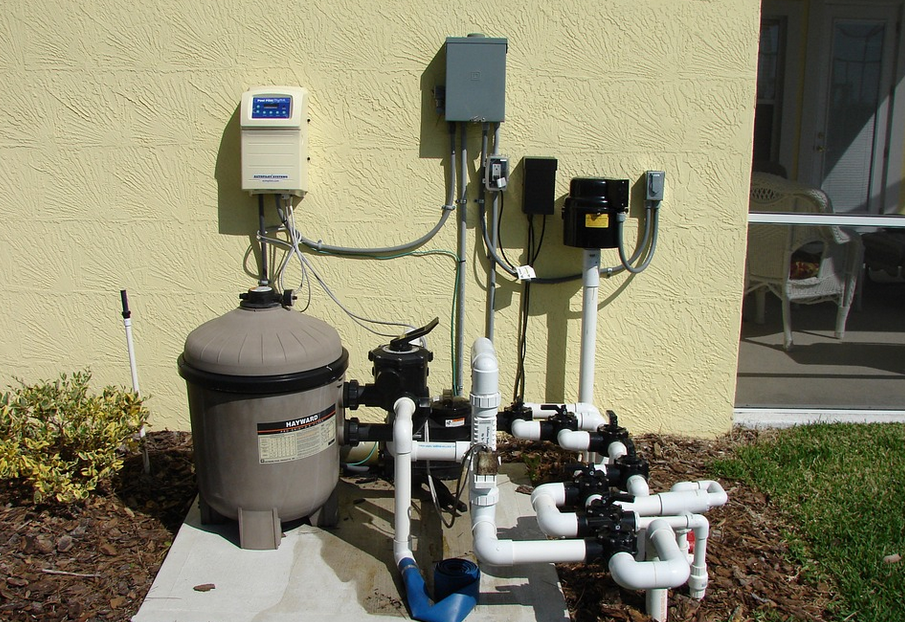
water softenerThe water pressure in your home will determine how much water you use and for what purposes. If you have high pressure, it means that more minerals are present in hard water, which can reduce the efficiency of many appliances such as dishwashers and clothes washers.

Hard water typically has minerals such as calcium and magnesium, which can have an adverse effect on your appliances if not filtered out properly through the system you choose. If this is something that concerns you, make sure to ask about the quality of their purified water before making any decisions.

What Type of Water Softener?

There are several different types of water softeners, each designed to treat specific needs in the home. Suppose you have high iron content in your water, for instance. In that case, a resin tank is best because it can efficiently filter out these particles while also removing any other minerals present. A demand-type system would be best for a home with high usage.

What Is Your Budget?

This may be the most critical question you ask before making a purchase, as it will help determine which system best suits your needs without breaking the bank. However, suppose budget isn’t an issue. In that case, there are some tremendous high-efficiency systems on the market today that can provide many benefits to homeowners who have hard water in their water pipe system.

How Many People Are There Living In Your House?

If you have a big family living in your home with lots of residents using plumbing fixtures constantly throughout their day, then choosing one softener system may not be the best solution. In this case, two or more systems would work better because of high water pressure and usage levels.

The Takeaway

Now that you know the questions to ask before buying a water softener system, it’s time to start shopping! Keep these things in mind as you browse different products and compare prices so you can find the best one for your needs. Happy shopping!

house roof

The Impact of Climate Change on Roofing: Adapting to Extreme Weather

The world is experiencing the effects of climate change, and it’s affecting nearly every aspect of our lives, including the roofs over our heads. As extreme weather events become more frequent and intense, our roofing systems face new challenges. Style Motivation reports that extreme weather, such as heavy rain, strong winds, and hailstorms, are the top three leading causes of roof damage. In this article, we’ll explore the impact of climate change on roofing and the innovative solutions available to adapt to these changing conditions.

Changing Weather Patterns and Roofing Materials

moss

Climate change is causing unpredictable weather patterns around the world. This means that roofing materials, which were once designed to withstand certain types of weather, may no longer be able to withstand extreme conditions like prolonged heat waves or heavy snowfall. The durability and longevity of traditional roofing materials such as asphalt shingles, clay tiles, and metal sheets are being put to the test as they face more frequent and intense weather events.

Advancements in Roofing Technology

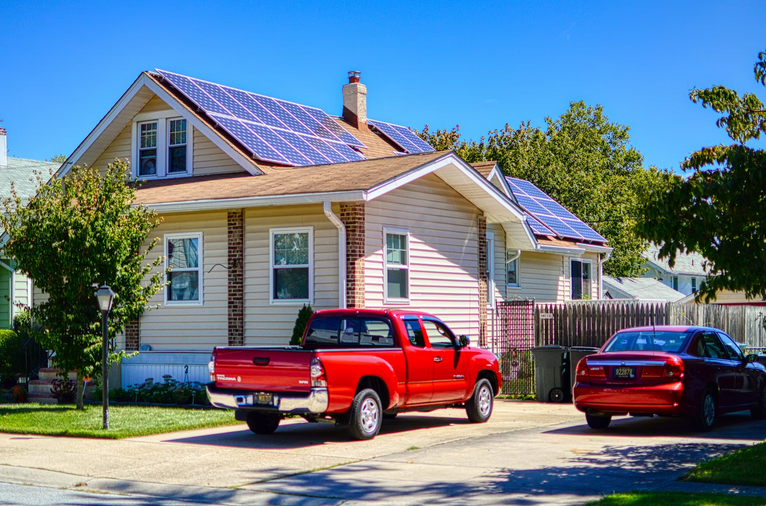
To combat the effects of climate change, roofing technology is evolving to include more durable and sustainable materials. For example, solar panels are becoming increasingly popular as they provide a renewable source of energy while also acting as a protective layer for the roof. Green roofs, which are covered with vegetation, are also gaining popularity as they provide insulation against extreme temperatures and reduce the urban heat island effect.

Innovative Roofing Designs

Roofing designs are also adapting to the changing climate. Sloped roofs with overhangs are becoming more popular in areas prone to heavy rain or snowfall as they help prevent water from pooling and causing leaks. Additionally, curved roofing is becoming more prevalent in areas with high winds as they can withstand the force of strong gusts better than traditional flat roofs. These innovative designs not only provide added protection against extreme weather but also add an aesthetic appeal to buildings.

The Importance of Regular Roof Maintenance

roofer

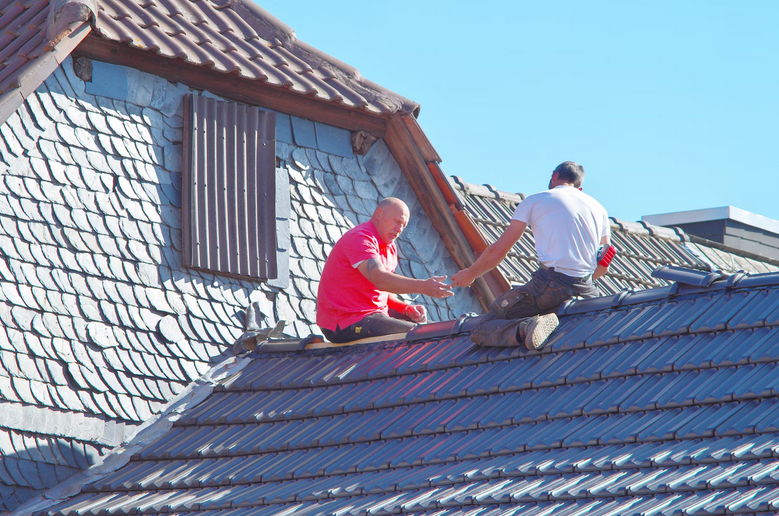
With climate change bringing about unpredictable weather patterns, it’s crucial for building owners to prioritize regular roof maintenance. This includes timely inspections, repairs, and replacements of damaged materials. Regular maintenance can help identify weak spots in the roofing system and prevent further damage from extreme weather events.

Adapting to Extreme Weather

In addition to technological advancements and innovative designs, it’s also important for building owners to be prepared for extreme weather events. This may include having emergency plans in place in case of severe storms or investing in additional protective measures such as storm shutters or impact-resistant roofing materials.

In today’s rapidly changing climate, it’s essential for the roofing industry to adapt and innovate. By incorporating new technologies, designs, and maintenance practices, we can help mitigate the impact of climate change on our roofs. Building owners should also be proactive in preparing for extreme weather events to ensure the safety and longevity of their roofing systems. We can work towards a more resilient future for our roofs and the environment.