
Finding the Best Prefab House Contractors

Prefab homes are gaining momentum for their blend of affordability, speed, and modern design. But the success of your project hinges on the contractor you choose. One wrong hire can turn a dream into a money pit. Ratgeber-Eigentumswohnung talks about how prefab design and construction are evolving.

Why the Right Contractor Matters

A prefab home isn’t something you want built by just anyone. These projects demand skill with modular systems, precise planning, and the ability to keep costs under control. A solid contractor brings experience and clarity to a process that can otherwise feel overwhelming. Their reputation often tells you more than the glossy brochures ever could. Cutting corners is risky in this space. Contractors unfamiliar with prefab builds may struggle with timelines or assembly, leaving you with delays and frustration. By contrast, seasoned professionals streamline the process and help you avoid costly errors. In short, the right partner saves you both time and sanity.

Researching Contractors Effectively

laptop Start by making a list of potential contractors who specialize in prefab construction. Look into past projects, client reviews, and any certifications that support their credibility. Talking to previous clients can reveal how dependable they truly are when the dust settles. This step often separates polished sales pitches from real capability. Comparing options is also about understanding their approach to budgets and scheduling. Do they stick to agreed timelines, or do they constantly push deadlines? Do they provide transparent cost breakdowns, or is everything hidden in fine print? The answers tell you a lot about their professionalism.

Key Qualities to Look For

Good communication sits at the top of the list. A contractor should be easy to reach and open about progress and challenges. If they dodge questions or give vague responses, that’s a warning sign. Clarity today prevents arguments tomorrow. Adaptability is equally important. Every site, budget, and design comes with quirks. A competent contractor has the flexibility to handle changes without letting the project spiral out of control. They know how to problem-solve under pressure without passing the stress onto you.

Budget and Transparency

discussing Prefab homes are often chosen because they’re more cost-efficient than traditional builds. But poor management can erase those savings quickly. A trustworthy contractor provides a breakdown of expenses and avoids surprise fees. That kind of transparency builds trust from day one. It also helps to ask about payment schedules. Spreading costs across milestones rather than paying upfront protects you if issues arise mid-project. Contractors comfortable with this approach often have more confidence in their ability to deliver. That’s a reassuring sign for any homeowner.

Finding the best prefab house contractor takes time, but it pays off in peace of mind. Think of it like building a team—you want someone who listens, communicates, and brings the right skills to the table. A little extra research at the start prevents stress later. Prefab homes are here to stay, and contractors who understand their value will only grow in demand. By choosing carefully, you’ll end up with a home that reflects your vision without the headaches. It’s less about luck and more about doing your homework.

Related Post

bird

Tips Homeowners Need to Consider When Dealing with Unwanted Birds

Dealing with unwanted birds can be a frustrating challenge for homeowners, especially when flocks begin to damage lawns, gardens, or outdoor structures. While birds are a natural part of the ecosystem, their droppings, nesting habits, and feeding behaviors can create messes and even health hazards. Implementing thoughtful deterrents and habitat changes can make your yard less attractive without causing harm to the birds themselves. It is known that geese are invaders in properties, which is why you should know ways to protect your lawn from unwanted birds. With the right strategies, you can strike a balance between coexistence and control.

Identify the Problem Species and Risks

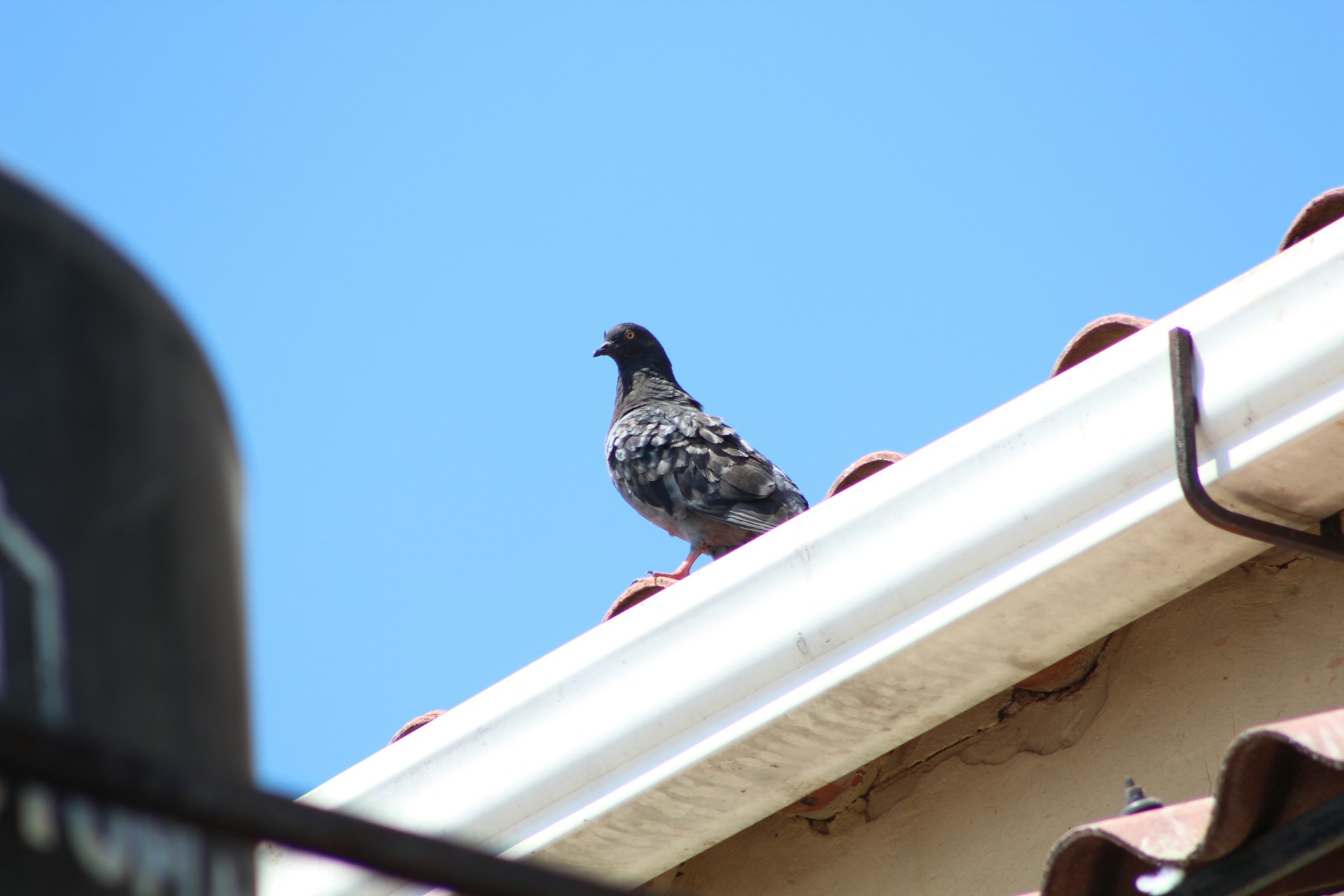
bird Before taking action, it’s important to identify the type of birds you’re dealing with. Different species behave differently—pigeons tend to roost and leave droppings, while woodpeckers may cause noise or structural damage. Understanding their patterns and nesting habits helps you determine the best approach. Some birds are protected by law, so identifying them correctly ensures your solution stays within legal guidelines and avoids harming native wildlife.

Remove Food and Water Sources

Birds are attracted to areas with consistent food and water. If you’re unintentionally feeding them, such as through unsecured trash bins, pet food left outside, or open compost, make adjustments. Remove bird feeders if they attract nuisance species rather than songbirds. Fix dripping taps or standing water in the yard. By making your property less appealing, birds will naturally move to more suitable environments.

Use Deterrents Without Harming Wildlife

Many humane deterrents discourage birds without causing harm. Reflective objects like foil strips, CDs, or mirrored stakes confuse birds and make them uncomfortable. Decoys like fake owls or hawks can scare some species away, although they work best when moved frequently to maintain effectiveness. Netting over fruit trees or garden beds protects plants, while spikes or sloped ledges can prevent roosting on fences or roofs. Always choose deterrents designed to startle, not injure.

Secure Entry Points and Nesting Sites

nest

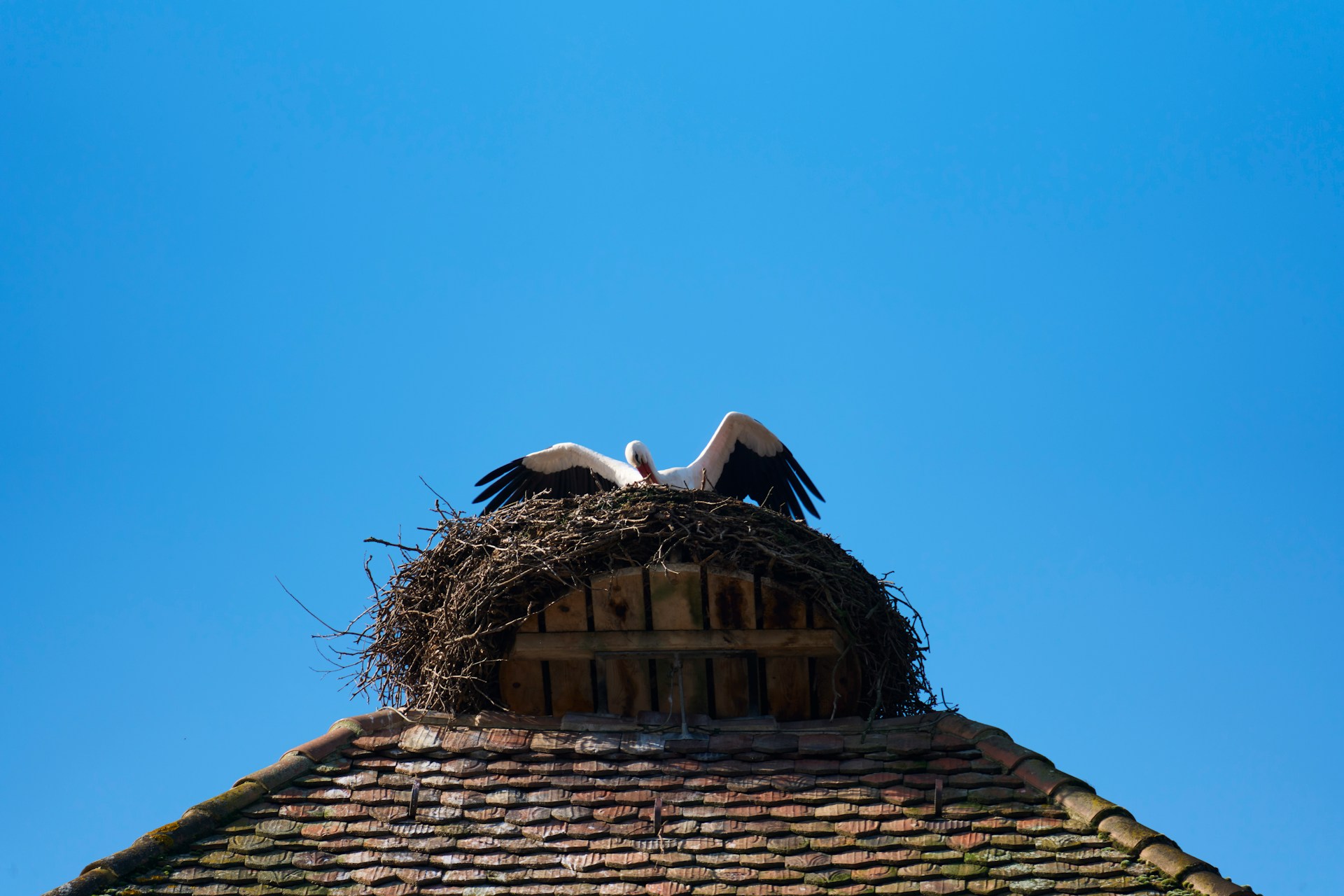
Birds often invade homes through easy-access points like vents, chimneys, open windows, or broken siding. Inspect your home regularly for gaps or openings where birds may enter or nest. Install vent covers, chimney caps, and window screens to block these access points. If birds are already nesting in a certain area, wait until the young have fledged before sealing it up. Blocking off these common entry sites is one of the most effective ways to prevent long-term issues.

Be Mindful of Nesting Seasons and Legal Protections

Many birds are protected during nesting seasons, and disturbing their nests can be illegal. In regions like North America, native birds such as robins or swallows are protected under laws like the Migratory Bird Treaty Act. Always check local regulations before removing nests or taking deterrent action. If a nest must be removed, consult a local wildlife expert or bird control service to ensure proper handling.

Dealing with unwanted birds requires patience, knowledge, and a commitment to humane practices. By identifying the species, securing your home, removing attractants, and using gentle deterrents, you can protect your property without disrupting nature. Respecting the balance between people and wildlife ensures a peaceful coexistence—and helps maintain the beauty of birds where they belong: admired from a distance, not nesting in your attic.

blanket

How to Wash Your Fleece Blanket the Smart Way

Do you have a fleece blanket that you love? If so, you probably want to take care of it so that it lasts for a long time. Washing your fleece blanket the right way is essential for preserving its quality. In this blog post, we will discuss how to clean your fleece blanket gently on its fibers and ensure that it remains soft and cozy. Follow these tips, and your beloved fleece blanket will stay in excellent condition for years. You can also get the best Western Rugs with a rustic appearance, perfect for cabins or ranch homes.

Use Cold Water

One of the most important things to remember when washing a fleece blanket is to use cold water. Hot water can damage the delicate fibers of the blanket, causing them to become brittle and break. Additionally, hot water can cause colors to bleed, so it’s best to avoid using it altogether if your fleece blanket is dirty. Pre-treat the stains with a cold water solution before washing them.

Use a Mild Detergent

detergentAnother essential tip for washing your fleece blanket is to use mild detergent. Harsh chemicals can damage the blanket fibers, so avoiding using them is best. A mild detergent will be gentle on the blanket and won’t strip away its natural oils. Also, avoiding fabric softeners would help, as they can damage the blanket’s fibers.

Wash On a Delicate Cycle

cycleSet your washing machine on the delicate cycle when it’s time to wash your fleece blanket. This cycle is gentle on clothing and will help preserve your blanket’s quality. Additionally, it would help to clean your blanket alone or with other similarly delicate items to avoid damage. In addition, it’s best to air dry your fleece blanket or tumble dry on low heat. This will help to prevent shrinkage and preserve the quality of the fibers.

Do Not Use Bleach

bleachAnother essential tip for washing your fleece blanket is to avoid using bleach. Bleach can damage the blanket fibers, causing them to become brittle and break. Additionally, bleach can cause colors to fade, so it’s best to avoid using it altogether if your fleece blanket is filthy, pre-treat the stains with a cold water solution before washing.


Washing your fleece blanket the right way is essential for preserving its quality. Be sure to use cold water and a mild detergent, and pass on a delicate cycle. Additionally, avoid using bleach or fabric softeners. By following these tips, you can ensure that your beloved fleece blanket stays soft and cozy for years to come.

growing

Various Types of LED Grow Lights for Your Mini Indoor Garden

When it comes to growing plants, you may be interested in using LED grow lights. These are artificial light types that use an LED bulb as the source for this illumination. There are many advantages to using these grow lights instead of traditional incandescent or fluorescent bulbs. You can click here to learn more about those benefits. This article will discuss some different types of LED grow lights and what they offer your plants!

Red LED Grow Lights

plantIf you want to use LED grow lights for your plants, you may consider using red LED grow lights. These are a type of light explicitly designed for the growth and development of plants. Red LED lights can help improve the overall health and vitality of your plants while also promoting their growth. Red LED grow lights are available in both desktop and standalone models so that you can choose the best one for your needs.

Red LED grow lights are perfect for plants that need lots of light and plenty of energy to thrive. Some plants that may benefit from using red LED grow lights include tomatoes, peppers, and other vegetables. If you are looking for a way to improve the growth and development of your plants, red LED lights may be the perfect solution for you!

Blue LED Grow Lights

You may want to consider another type of LED light is a blue LED grow light. These are specially designed for the growth and development of plants, so they can help your flowers, herbs, vegetables, houseplants, and other types of greenery thrive! Blue LED grow lights also provide all-day illumination without emitting any heat or ultraviolet rays.

Blue LED grow lights are available in both standalone and desktop models so that you can choose the best one for your needs. They also come with various hanging options or bases that make them easy to install almost anywhere! If you want to use an LED grow light but don’t have much space, these types of lights may be a perfect option for you.


Full-Spectrum White Lights

You may want to consider another type of grow light is full-spectrum white lights. These are an excellent option for plants because they emit all the colors your plants need to thrive! Since these are LED grow lights, you will never have to replace them or add any additional heat to your growing area. Full-spectrum white LED grow lights are perfect for plants that need lots of light and energy to survive.

If you’re looking for a type of LED grow light that will work great for all kinds of plants, consider full-spectrum white LED grow lights. These are a type of light that emits all the colors your plants need to thrive! With full-spectrum white LED grow lights, you’ll never have to worry about your plants not getting the light they need to succeed!