
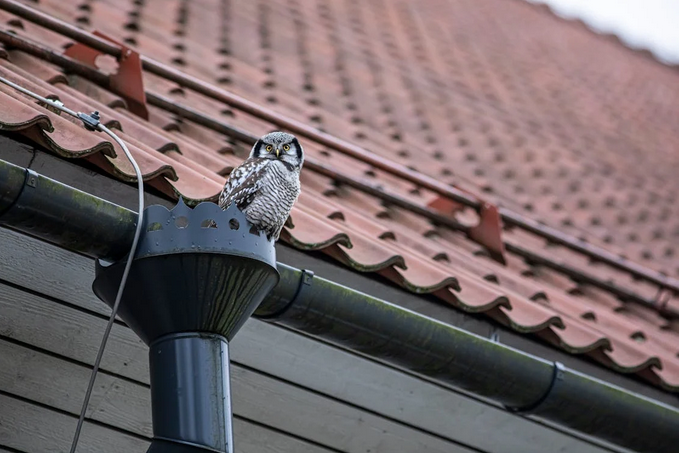
Birds are a welcome part of nature, but they don’t belong in your home’s vents and gutters. Nesting birds can clog airflow, block drainage, and even cause structural damage. Debris from nests can lead to moisture problems and attract pests. Over time, these issues can result in costly repairs. Installing gutter guards and covers is one effective way to keep birds out of these vulnerable areas. The goal isn’t to harm birds it’s to guide them away from the wrong places. With the right strategy, you can protect your home without disrupting local wildlife.
Understanding Why Birds Choose These Spots
Gutters and vents are attractive to birds for a few reasons. They offer shelter from the elements, a place to nest, and often go unnoticed by predators. Soffit vents, bathroom exhausts, and roof gutters are common problem areas. If birds return each year, it’s likely because they’ve found it to be a safe and familiar place. Recognizing this behavior is the first step toward a long-term solution. Birds are creatures of habit, and removing the appeal of these spaces will encourage them to move elsewhere.
Securing Vents Without Blocking Airflow
Vents need to remain functional. You can’t just cover them entirely. Instead, use vent covers designed to keep birds out while still allowing air to pass through. These covers are often made of metal mesh or durable plastic. Installation is usually simple and requires only a few screws. Be sure to measure carefully before you purchase any covers. Improper fitting can reduce airflow or allow birds to squeeze through. Check these covers once or twice a year to make sure they’re still secure and undamaged.
Installing Gutter Guards for Long-Term Results
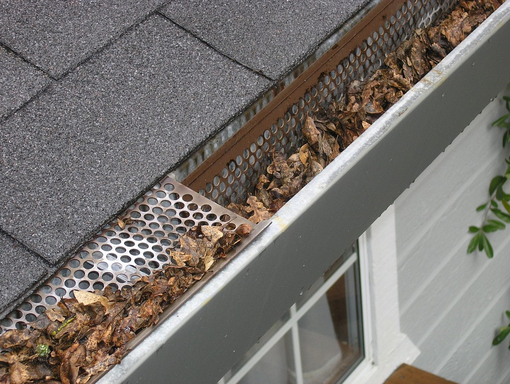
Gutter guards are one of the most effective tools against birds. These are mesh or perforated covers that sit on top of your gutters. They allow water through but block leaves, sticks, and curious birds. There are different types depending on your roof style and gutter shape. Some snap in easily, while others may need professional installation. While there’s an upfront cost, guards offer lasting protection and reduce how often you’ll need to clean. It’s a unique way to combine function and prevention in one solution.
Cleaning Gutters as a Preventive Measure
Gutters filled with leaves and twigs are ideal nest-building spots. Keeping your gutters clean will make them less appealing. Regular gutter cleaning is essential especially in the spring, when birds begin to nest. If you’re doing this yourself, use gloves and a scoop to remove debris. Rinse the gutters afterward to check for proper drainage. If you prefer not to climb ladders, hire a professional twice a year. Clean gutters don’t just discourage birds they also prevent water damage and mold.
Encouraging Birds to Nest Elsewhere
Birds need safe places to raise their young. If your goal is to keep them away from your home, consider offering them an alternative. Installing a birdhouse in your yard can redirect their interest. Place the birdhouse in a quiet area with nearby trees or shrubs. Make sure it’s elevated and protected from ground predators. Providing water nearby also helps. When birds have what they need elsewhere, they’re less likely to invade your home’s vents or gutters.
If you find an active bird nest in a vent or gutter, don’t remove it right away. Many birds are protected by law, and disturbing a nest can be illegal in some areas. Wait until the nest is no longer in use. Once the birds leave, clean the area thoroughly and seal it to prevent future nesting.

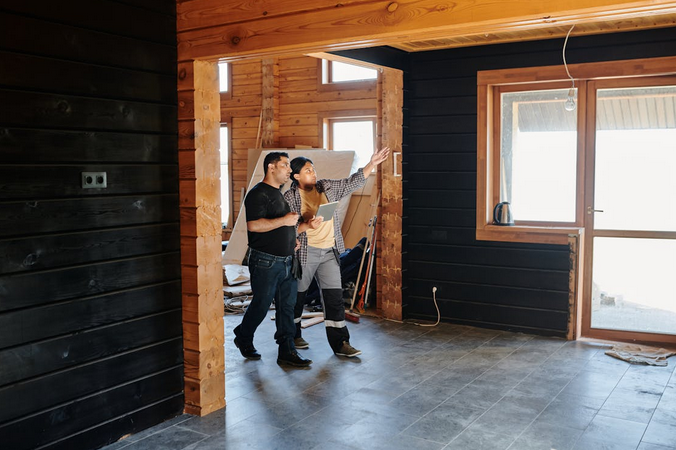



 Homeowners are looking for a calm and pleasant atmosphere when designing their interiors. Homeowners want clean, natural spaces without expensive ornaments and flashy decorations. More natural and greener materials are being used in interior design. Wood and green carpets are becoming increasingly popular in interior design.
 According to the latest interior design trends, more natural light is preferred over darker tones. Only materials and elements that let in more light can be used. Homeowners now prefer bold designs, smooth edges, soft-edged accessories, and light primary colors.

 The second activity on our list is cooking food together. This is a great way to teach your kids about healthy eating and a lot of fun. There are tons of recipes out there that are perfect for kids. And, if you’re stuck for ideas, you can always find some online. There are also a lot of cooking shows that you can watch together. This is a great way to bond with your kids and also a lot of fun.
 The fourth activity on our list is planting a garden. This is a great way to teach your kids about nature, and a lot of fun. There are tons of great plants out there that are perfect for kids. You just need to prepare the soil, and then you can plant the seeds. You can also ask your kids to help you with this so they can feel like they’re a part of it. You should explain to them that it will take some time before the plants grow. So, if you’re looking for some things to do with your kids at home, hopefully, this list has given you some ideas.