
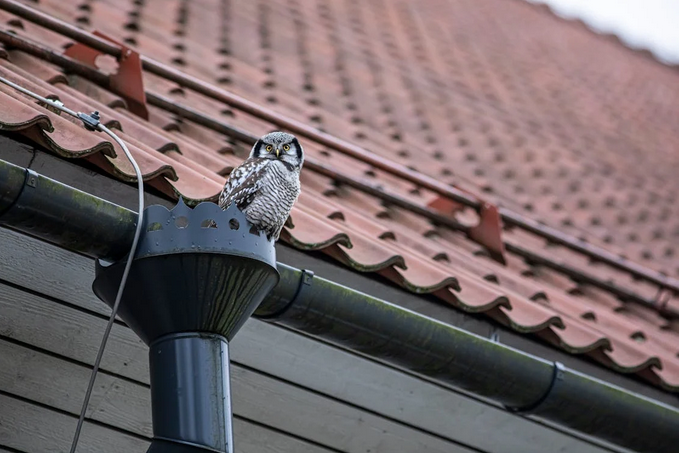
Birds are a welcome part of nature, but they don’t belong in your home’s vents and gutters. Nesting birds can clog airflow, block drainage, and even cause structural damage. Debris from nests can lead to moisture problems and attract pests. Over time, these issues can result in costly repairs. Installing gutter guards and covers is one effective way to keep birds out of these vulnerable areas. The goal isn’t to harm birds it’s to guide them away from the wrong places. With the right strategy, you can protect your home without disrupting local wildlife.
Understanding Why Birds Choose These Spots
Gutters and vents are attractive to birds for a few reasons. They offer shelter from the elements, a place to nest, and often go unnoticed by predators. Soffit vents, bathroom exhausts, and roof gutters are common problem areas. If birds return each year, it’s likely because they’ve found it to be a safe and familiar place. Recognizing this behavior is the first step toward a long-term solution. Birds are creatures of habit, and removing the appeal of these spaces will encourage them to move elsewhere.
Securing Vents Without Blocking Airflow
Vents need to remain functional. You can’t just cover them entirely. Instead, use vent covers designed to keep birds out while still allowing air to pass through. These covers are often made of metal mesh or durable plastic. Installation is usually simple and requires only a few screws. Be sure to measure carefully before you purchase any covers. Improper fitting can reduce airflow or allow birds to squeeze through. Check these covers once or twice a year to make sure they’re still secure and undamaged.
Installing Gutter Guards for Long-Term Results
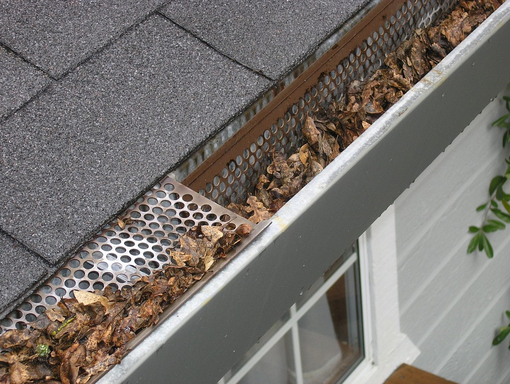
Gutter guards are one of the most effective tools against birds. These are mesh or perforated covers that sit on top of your gutters. They allow water through but block leaves, sticks, and curious birds. There are different types depending on your roof style and gutter shape. Some snap in easily, while others may need professional installation. While there’s an upfront cost, guards offer lasting protection and reduce how often you’ll need to clean. It’s a unique way to combine function and prevention in one solution.
Cleaning Gutters as a Preventive Measure
Gutters filled with leaves and twigs are ideal nest-building spots. Keeping your gutters clean will make them less appealing. Regular gutter cleaning is essential especially in the spring, when birds begin to nest. If you’re doing this yourself, use gloves and a scoop to remove debris. Rinse the gutters afterward to check for proper drainage. If you prefer not to climb ladders, hire a professional twice a year. Clean gutters don’t just discourage birds they also prevent water damage and mold.
Encouraging Birds to Nest Elsewhere
Birds need safe places to raise their young. If your goal is to keep them away from your home, consider offering them an alternative. Installing a birdhouse in your yard can redirect their interest. Place the birdhouse in a quiet area with nearby trees or shrubs. Make sure it’s elevated and protected from ground predators. Providing water nearby also helps. When birds have what they need elsewhere, they’re less likely to invade your home’s vents or gutters.
If you find an active bird nest in a vent or gutter, don’t remove it right away. Many birds are protected by law, and disturbing a nest can be illegal in some areas. Wait until the nest is no longer in use. Once the birds leave, clean the area thoroughly and seal it to prevent future nesting.
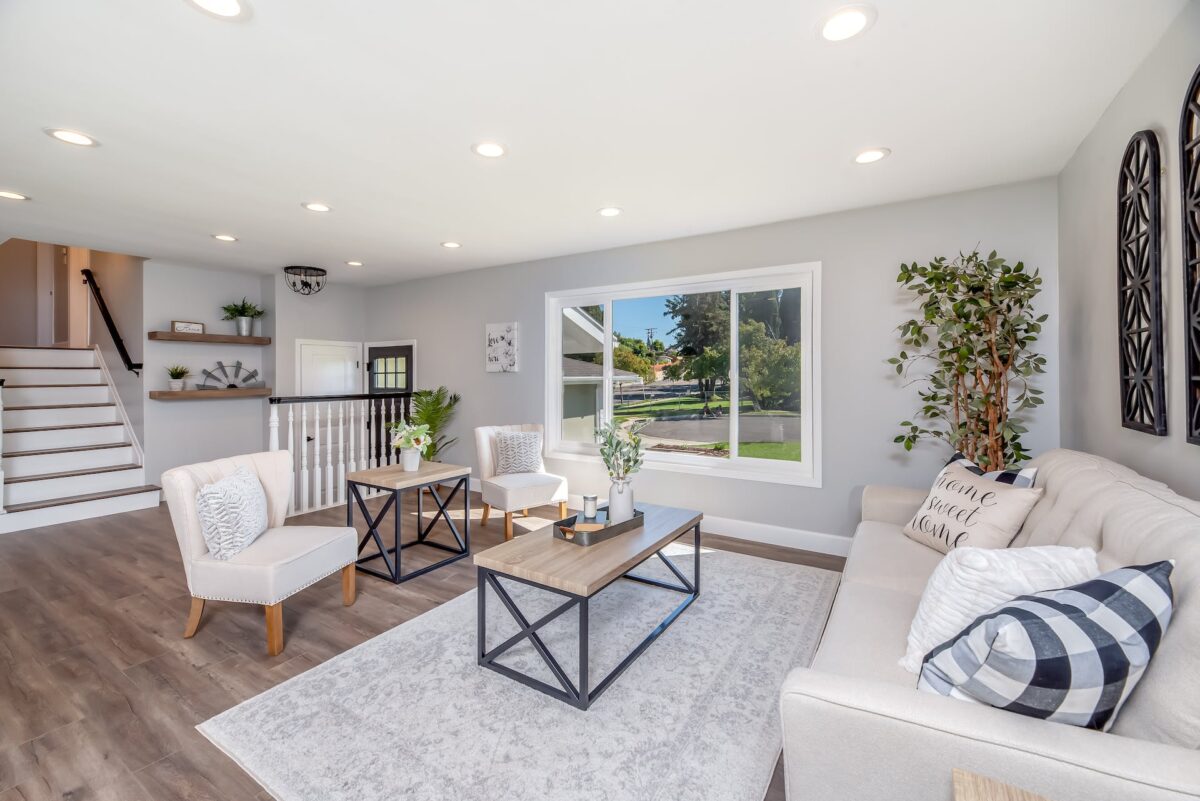
 When it comes to home staging, one of the first things you’ll want to consider is neutralizing the colors in your space. While vibrant and bold hues may reflect your personal style, they can be overwhelming for potential buyers who are trying to envision themselves living in the space. By opting for a more neutral color palette, you create a blank canvas that allows buyers to imagine how they would personalize the home. Start by repainting any walls that have bright or unusual colors. Choose soft and neutral shades such as whites, beiges, or light grays.
 Rearrange Artwork and Decor
 A designer is essential for the design of your home. Find professionals that can assist you in designing your home. Tell him what you would like for your dream home and he’ll be able to help you. When choosing a designer to work with, be sure to check out their credentials and experience. This will allow you to determine if the person is a good fit for your home’s design.
 Your designer would complete this step, but you must be involved. If you like the design, make sure to check it out. Do you like the design? If it is not, you can suggest changes to it. You need to think carefully before making any changes, especially if the house has already been built.
 One of the best things about having your own well is that you’re not tied down to your local water company’s rates. You can shop around for the best deal on a water filter and even get creative with how you collect and store your water.
 Having your well also means that you’ll never have to worry about running out of water. Even during times of drought, you’ll still have access to all the water you need. This can be a real lifesaver if there’s ever a natural disaster or emergency situation in your area. This has been proven to be a reliable water source for many people over the years up to now.