Best Plants for Vertical Gardens: A Guide to Choosing the Right Greenery

Vertical gardens have become increasingly popular, especially in urban environments where space is limited. These innovative gardens bring a touch of nature to indoor and outdoor spaces and offer numerous benefits, such as improved air quality, reduced stress levels, and aesthetic appeal. Choosing the right plants is crucial to the success of a vertical garden. The plants you select need to thrive in the vertical orientation and contribute to the overall health and beauty of the garden.

This article will guide you through the top five plants ideal for vertical gardens, making your space a lush, green oasis. For a deeper dive into this topic, be sure to explore the insights shared in the aachener zeitung.

Ferns

Ferns are a classic choice for vertical gardens, thanks to their lush foliage and ability to thrive in shaded environments. Their cascading leaves create a beautiful, flowing effect that adds texture and depth to any garden. Ferns are incredibly versatile and can tolerate various light conditions, from low light indoors to partial shade outdoors. Some popular varieties for vertical gardens include Boston ferns, Maidenhair ferns, and Bird’s Nest ferns. These plants prefer moist, well-drained soil and high humidity, perfect for bathrooms or shaded outdoor areas.

Spider Plants (Chlorophytum comosum)

Spider plants are another excellent option for vertical gardens due to their low maintenance and hardiness. Known for their arching, grass-like leaves and small white flowers, spider plants can adapt to various light conditions, although they prefer bright, indirect light. They are also effective air purifiers, removing toxins like formaldehyde and xylene. Spider plants tolerate irregular watering schedules, making them an ideal choice for beginners or those with busy lifestyles. They thrive in well-drained soil and quickly fill space with their long, trailing leaves.

Pothos (Epipremnum aureum)

pothos

Pothos, also known as Devil’s Ivy, is a popular plant for vertical gardens due to its fast-growing, trailing vines and heart-shaped leaves. This highly adaptable plant can thrive in low light and low humidity conditions, making it suitable for indoor environments. Pothos is also known for its air-purifying qualities, which help improve indoor air quality. With its ability to proliferate and spread, pothos can easily cover a vertical garden structure, creating a lush, green wall. It requires moderate watering and can tolerate occasional neglect, making it an excellent choice for novice gardeners.

Succulents

Succulents are ideal for vertical gardens because of their low water requirements and unique, attractive appearance. Varieties like Sedum, Echeveria, and Crassula are particularly well-suited for vertical gardens due to their compact growth and drought tolerance. These plants thrive in well-drained soil and require minimal watering, making them perfect for sunny, low-maintenance vertical gardens. Their varied shapes, colors, and textures can add visual interest to your vertical garden, transforming it into a living work of art.

Herbs

Growing herbs in a vertical garden is both practical and visually appealing. Herbs such as basil, thyme, mint, and oregano are excellent choices due to their compact growth habits and culinary uses. These plants require good light and well-drained soil to thrive, making them suitable for kitchen windowsills or sunny outdoor walls. Herbs add greenery to your vertical garden and provide fresh, flavorful ingredients for your cooking, making your garden functional and beautiful.

Creating a thriving vertical garden begins with selecting the right plants. Ferns, spider plants, pothos, succulents, and herbs are among the best choices for vertical gardening due to their adaptability, low maintenance, and visual appeal. By carefully choosing plants that suit your space and light conditions, you can create a stunning vertical garden that enhances your environment, purifies the air, and brings a touch of nature to your home or office. Whether you’re a seasoned gardener or a beginner, these plants offer a great starting point for building your vertical garden and enjoying its many benefits.


Related Post

activities

Things You Can Do With Your Kids at Home

There are a lot of things you can do with your kids at home. In fact, there are so many things that it can be tough to decide what to do. That’s why we put together this list of our favorite activities that will keep both you and your little ones entertained for hours on end. Here, we will discuss what you can do with your kids at home.

Decorate the House

decorating

The first activity on our list is decorating the house. This is a great activity for kids of all ages, and it’s a lot of fun. Buy some decors in advance so you can spend some time together doing this activity. You can also ask your kids to help you with this so they can feel like they’re a part of it. Decorating can be a great bonding activity for you and your kids. If you want to know some news on muoti ja koti, you should keep on reading.

Cook Food Together

motherThe second activity on our list is cooking food together. This is a great way to teach your kids about healthy eating and a lot of fun. There are tons of recipes out there that are perfect for kids. And, if you’re stuck for ideas, you can always find some online. There are also a lot of cooking shows that you can watch together. This is a great way to bond with your kids and also a lot of fun.

Play Games Together

The third activity on our list is playing games together. This is a great way to spend some quality time with your kids. There are tons of games out there that you can play together. And, if you’re stuck for ideas, you can always ask your kids what they want to play. This is a great way to bond with your kids and also a lot of fun. You can also bring out some of your old favorites. This is a great way to spend some quality time with your kids.

Plant a Garden

plantingThe fourth activity on our list is planting a garden. This is a great way to teach your kids about nature, and a lot of fun. There are tons of great plants out there that are perfect for kids. You just need to prepare the soil, and then you can plant the seeds. You can also ask your kids to help you with this so they can feel like they’re a part of it. You should explain to them that it will take some time before the plants grow. So, if you’re looking for some things to do with your kids at home, hopefully, this list has given you some ideas.

And remember, even if you don’t have any kids of your own, there are plenty of ways to get involved in the lives of the little ones in your community. Consider these activities a fun way to spend some time with the people you care about most. What is your favorite thing to do with your kids? Please share it with us in the comments.


birds

Balancing Nature and Cleanliness: How to Keep Birds Out of Gutters and Vents

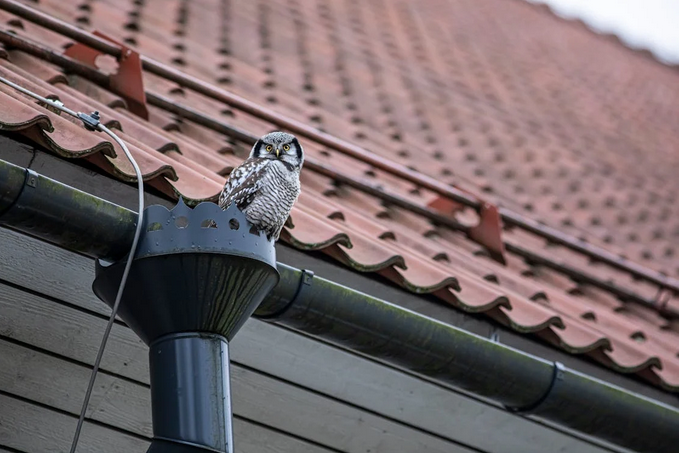
Birds are a welcome part of nature, but they don’t belong in your home’s vents and gutters. Nesting birds can clog airflow, block drainage, and even cause structural damage. Debris from nests can lead to moisture problems and attract pests. Over time, these issues can result in costly repairs. Installing gutter guards and covers is one effective way to keep birds out of these vulnerable areas. The goal isn’t to harm birds it’s to guide them away from the wrong places. With the right strategy, you can protect your home without disrupting local wildlife.

Understanding Why Birds Choose These Spots

Gutters and vents are attractive to birds for a few reasons. They offer shelter from the elements, a place to nest, and often go unnoticed by predators. Soffit vents, bathroom exhausts, and roof gutters are common problem areas. If birds return each year, it’s likely because they’ve found it to be a safe and familiar place. Recognizing this behavior is the first step toward a long-term solution. Birds are creatures of habit, and removing the appeal of these spaces will encourage them to move elsewhere.

Securing Vents Without Blocking Airflow

Vents need to remain functional. You can’t just cover them entirely. Instead, use vent covers designed to keep birds out while still allowing air to pass through. These covers are often made of metal mesh or durable plastic. Installation is usually simple and requires only a few screws. Be sure to measure carefully before you purchase any covers. Improper fitting can reduce airflow or allow birds to squeeze through. Check these covers once or twice a year to make sure they’re still secure and undamaged.

Installing Gutter Guards for Long-Term Results

gutter cover

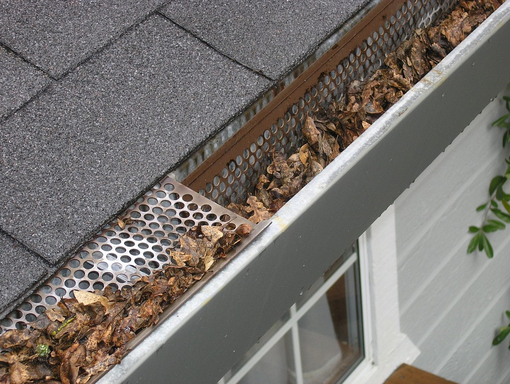
Gutter guards are one of the most effective tools against birds. These are mesh or perforated covers that sit on top of your gutters. They allow water through but block leaves, sticks, and curious birds. There are different types depending on your roof style and gutter shape. Some snap in easily, while others may need professional installation. While there’s an upfront cost, guards offer lasting protection and reduce how often you’ll need to clean. It’s a unique way to combine function and prevention in one solution.

Cleaning Gutters as a Preventive Measure

Gutters filled with leaves and twigs are ideal nest-building spots. Keeping your gutters clean will make them less appealing. Regular gutter cleaning is essential especially in the spring, when birds begin to nest. If you’re doing this yourself, use gloves and a scoop to remove debris. Rinse the gutters afterward to check for proper drainage. If you prefer not to climb ladders, hire a professional twice a year. Clean gutters don’t just discourage birds they also prevent water damage and mold.

Encouraging Birds to Nest Elsewhere

Birds need safe places to raise their young. If your goal is to keep them away from your home, consider offering them an alternative. Installing a birdhouse in your yard can redirect their interest. Place the birdhouse in a quiet area with nearby trees or shrubs. Make sure it’s elevated and protected from ground predators. Providing water nearby also helps. When birds have what they need elsewhere, they’re less likely to invade your home’s vents or gutters.

If you find an active bird nest in a vent or gutter, don’t remove it right away. Many birds are protected by law, and disturbing a nest can be illegal in some areas. Wait until the nest is no longer in use. Once the birds leave, clean the area thoroughly and seal it to prevent future nesting.

house roof

The Impact of Climate Change on Roofing: Adapting to Extreme Weather

The world is experiencing the effects of climate change, and it’s affecting nearly every aspect of our lives, including the roofs over our heads. As extreme weather events become more frequent and intense, our roofing systems face new challenges. Style Motivation reports that extreme weather, such as heavy rain, strong winds, and hailstorms, are the top three leading causes of roof damage. In this article, we’ll explore the impact of climate change on roofing and the innovative solutions available to adapt to these changing conditions.

Changing Weather Patterns and Roofing Materials

moss

Climate change is causing unpredictable weather patterns around the world. This means that roofing materials, which were once designed to withstand certain types of weather, may no longer be able to withstand extreme conditions like prolonged heat waves or heavy snowfall. The durability and longevity of traditional roofing materials such as asphalt shingles, clay tiles, and metal sheets are being put to the test as they face more frequent and intense weather events.

Advancements in Roofing Technology

To combat the effects of climate change, roofing technology is evolving to include more durable and sustainable materials. For example, solar panels are becoming increasingly popular as they provide a renewable source of energy while also acting as a protective layer for the roof. Green roofs, which are covered with vegetation, are also gaining popularity as they provide insulation against extreme temperatures and reduce the urban heat island effect.

Innovative Roofing Designs

Roofing designs are also adapting to the changing climate. Sloped roofs with overhangs are becoming more popular in areas prone to heavy rain or snowfall as they help prevent water from pooling and causing leaks. Additionally, curved roofing is becoming more prevalent in areas with high winds as they can withstand the force of strong gusts better than traditional flat roofs. These innovative designs not only provide added protection against extreme weather but also add an aesthetic appeal to buildings.

The Importance of Regular Roof Maintenance

roofer

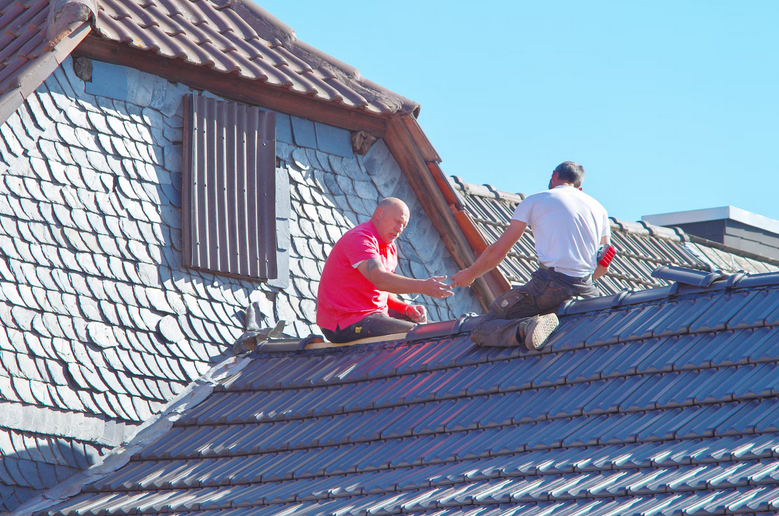
With climate change bringing about unpredictable weather patterns, it’s crucial for building owners to prioritize regular roof maintenance. This includes timely inspections, repairs, and replacements of damaged materials. Regular maintenance can help identify weak spots in the roofing system and prevent further damage from extreme weather events.

Adapting to Extreme Weather

In addition to technological advancements and innovative designs, it’s also important for building owners to be prepared for extreme weather events. This may include having emergency plans in place in case of severe storms or investing in additional protective measures such as storm shutters or impact-resistant roofing materials.

In today’s rapidly changing climate, it’s essential for the roofing industry to adapt and innovate. By incorporating new technologies, designs, and maintenance practices, we can help mitigate the impact of climate change on our roofs. Building owners should also be proactive in preparing for extreme weather events to ensure the safety and longevity of their roofing systems. We can work towards a more resilient future for our roofs and the environment.