
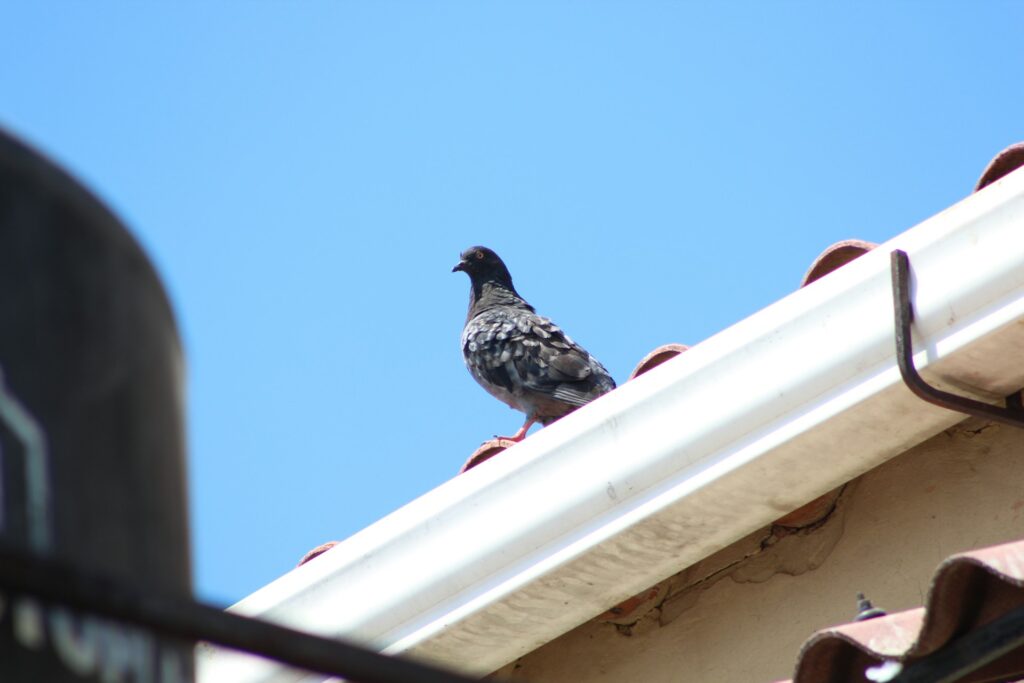
Dealing with unwanted birds can be a frustrating challenge for homeowners, especially when flocks begin to damage lawns, gardens, or outdoor structures. While birds are a natural part of the ecosystem, their droppings, nesting habits, and feeding behaviors can create messes and even health hazards. Implementing thoughtful deterrents and habitat changes can make your yard less attractive without causing harm to the birds themselves. It is known that geese are invaders in properties, which is why you should know ways to protect your lawn from unwanted birds. With the right strategies, you can strike a balance between coexistence and control.
Identify the Problem Species and Risks
 Before taking action, it’s important to identify the type of birds you’re dealing with. Different species behave differently—pigeons tend to roost and leave droppings, while woodpeckers may cause noise or structural damage. Understanding their patterns and nesting habits helps you determine the best approach. Some birds are protected by law, so identifying them correctly ensures your solution stays within legal guidelines and avoids harming native wildlife.
Remove Food and Water Sources
Birds are attracted to areas with consistent food and water. If you’re unintentionally feeding them, such as through unsecured trash bins, pet food left outside, or open compost, make adjustments. Remove bird feeders if they attract nuisance species rather than songbirds. Fix dripping taps or standing water in the yard. By making your property less appealing, birds will naturally move to more suitable environments.
Use Deterrents Without Harming Wildlife
Many humane deterrents discourage birds without causing harm. Reflective objects like foil strips, CDs, or mirrored stakes confuse birds and make them uncomfortable. Decoys like fake owls or hawks can scare some species away, although they work best when moved frequently to maintain effectiveness. Netting over fruit trees or garden beds protects plants, while spikes or sloped ledges can prevent roosting on fences or roofs. Always choose deterrents designed to startle, not injure.
Secure Entry Points and Nesting Sites
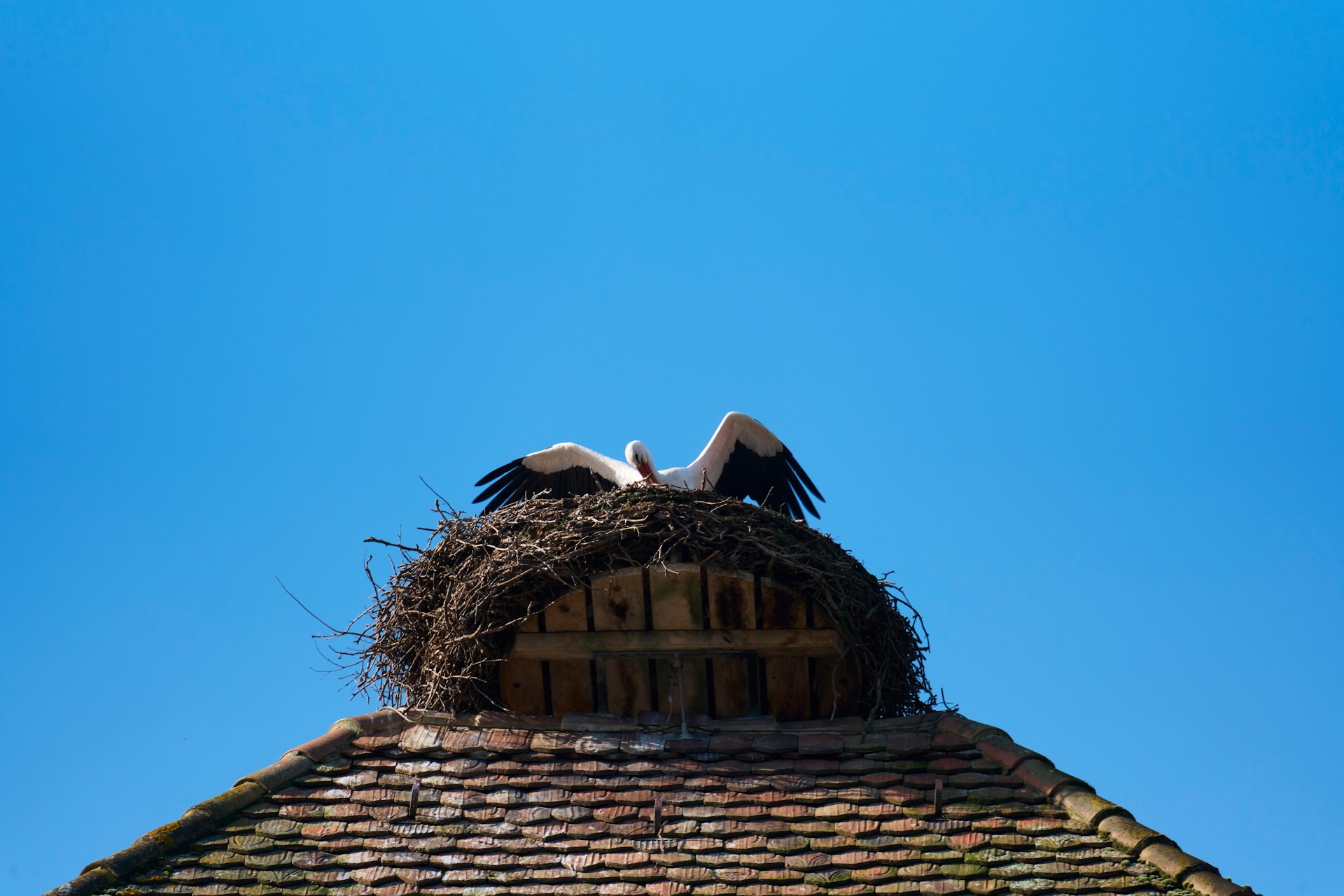
Birds often invade homes through easy-access points like vents, chimneys, open windows, or broken siding. Inspect your home regularly for gaps or openings where birds may enter or nest. Install vent covers, chimney caps, and window screens to block these access points. If birds are already nesting in a certain area, wait until the young have fledged before sealing it up. Blocking off these common entry sites is one of the most effective ways to prevent long-term issues.
Be Mindful of Nesting Seasons and Legal Protections
Many birds are protected during nesting seasons, and disturbing their nests can be illegal. In regions like North America, native birds such as robins or swallows are protected under laws like the Migratory Bird Treaty Act. Always check local regulations before removing nests or taking deterrent action. If a nest must be removed, consult a local wildlife expert or bird control service to ensure proper handling.
Dealing with unwanted birds requires patience, knowledge, and a commitment to humane practices. By identifying the species, securing your home, removing attractants, and using gentle deterrents, you can protect your property without disrupting nature. Respecting the balance between people and wildlife ensures a peaceful coexistence—and helps maintain the beauty of birds where they belong: admired from a distance, not nesting in your attic.


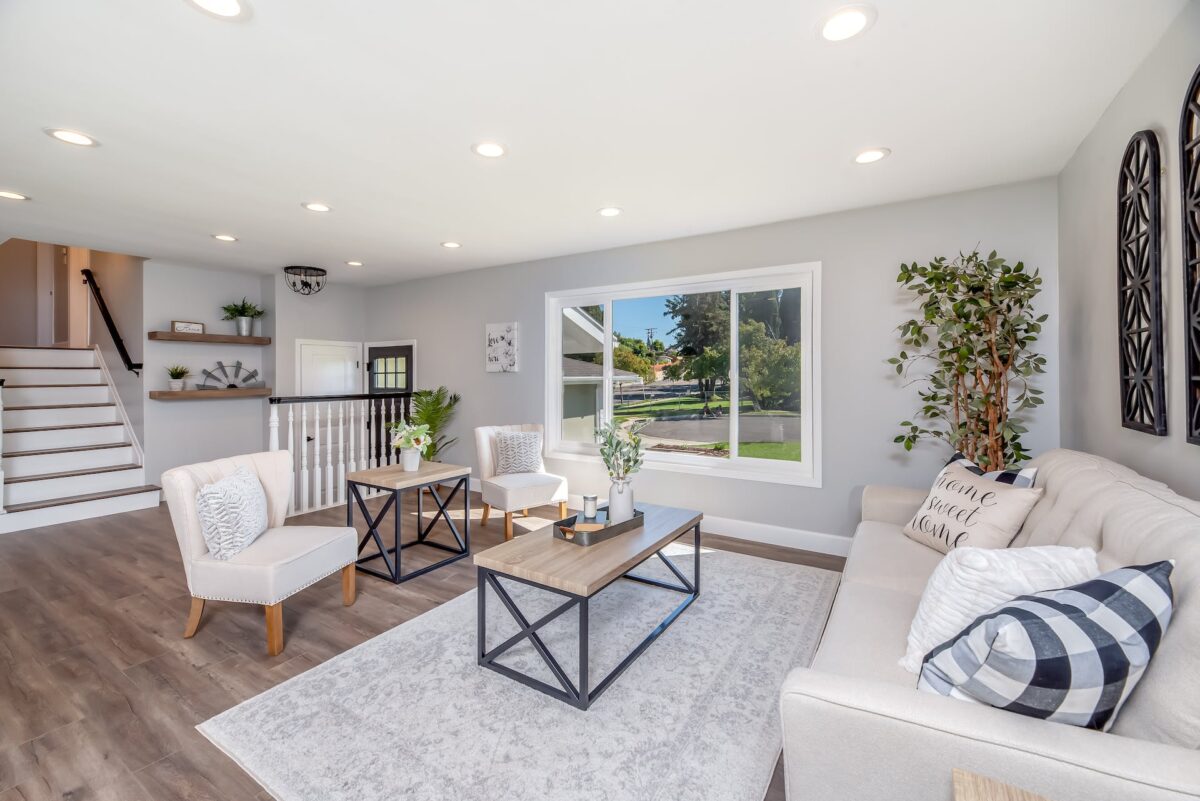
 When it comes to home staging, one of the first things you’ll want to consider is neutralizing the colors in your space. While vibrant and bold hues may reflect your personal style, they can be overwhelming for potential buyers who are trying to envision themselves living in the space. By opting for a more neutral color palette, you create a blank canvas that allows buyers to imagine how they would personalize the home. Start by repainting any walls that have bright or unusual colors. Choose soft and neutral shades such as whites, beiges, or light grays.
 Rearrange Artwork and Decor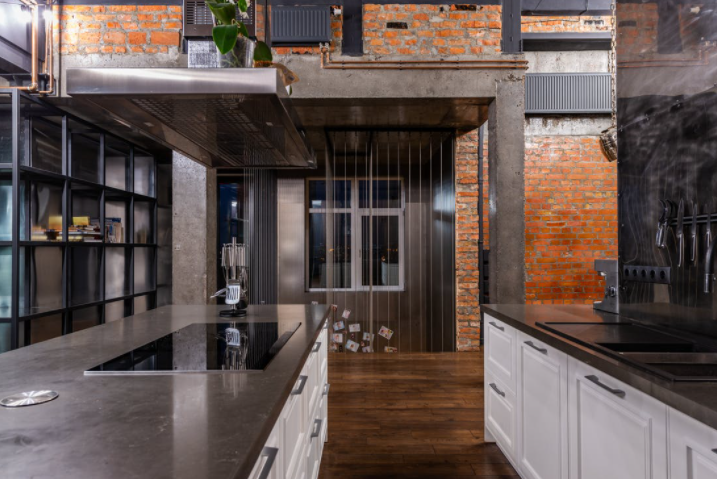
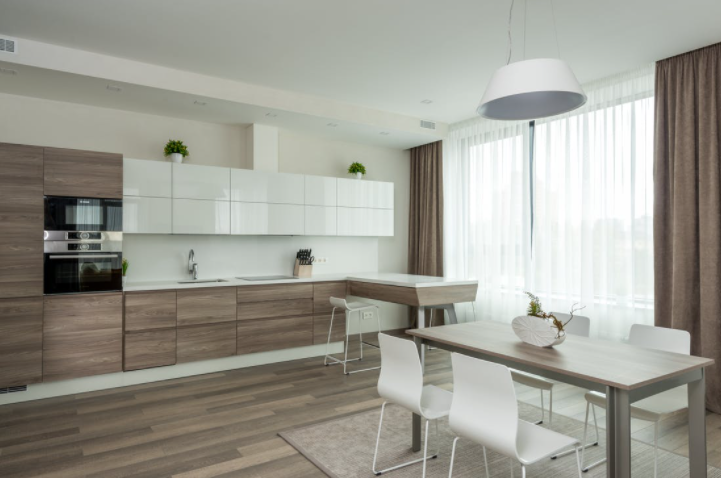
 First of all, choose metal or wood. Wood has a timeless look and creates a warm atmosphere in your home. Wood is an excellent choice for cabinets, beds, and sofas. Wood can be made in many different shades and types, depending on your preference. Metal is known for its durability and shiny appearance. Copper and steel, two of the most popular metal materials, can transform your home into something beautiful and elegant. Metal can also be an industrial option if you’re looking for a more modern look.
 When choosing the right furniture for your home, it is essential to think about your lifestyle. A reading chair can be in your living area if you like to read. You can also choose a multi-purpose piece of furniture, such as a sofa or a bed. This will allow you to relax and take a break in your living room. An artist’s work is a reflection of himself. Your home is also a creation and, therefore, a reflection. Your style is expressed in the furniture you choose. Furniture is an expression of your class. Choosing furniture that fills the space and unifies it is the key to decorating your home, office, or other room. Furniture can best reflect your style.