The Best Home Decorating Tips

Do you really need a fantastic interior for your home? Then put your decorating suggestions and desires into practice. Are you looking for the home of your dreams? You will see a lot of resources to help you decorate your home, whether it’s for a vacation, party, corporate event, or simply great interiors for your home. If you want more information about house decoration, you can visit https://amazinginteriordesign.com.

Use Modern Design

Numerous types, fashions, and hunts for your property could be organized and designed to suit your needs. You are going to decorate your home or in a modern way that is your personal taste and alternative to your dream home. While looking for home decorating ideas, it is very good to start with a basic look and put in your own personal ideas.

Hire a Professional

HouseYou can decorate decorators to help you with the interior design of your home. People constantly assume that interior decorating is a complicated undertaking, but it doesn’t have to be. If you are willing to waste a limited amount of time learning about the basics of design, you will be able to do all your interior decorating with ease. Interior decorating is nothing more than understanding the basic principles of design and putting them into practice in a living space.

Decorate Your Kitchen

Everyone who lives feels affection for the decoration of their home. Home decoration can be really enjoyable without having to shell out a huge amount of money. With some decorating tips, your ideas, and the artwork of interior designers, your home will be as attractive as it is glorious. If your kitchen has been completed in dull stained wood and you want to attach a touch of color, all you have to do is brighten this up with some interesting things from the basic collections or produce a change by using attractive kitchen colors hires to provide a tasteful look. This will keep the kitchen clean and you will feel comfortable whenever you work in the kitchen.

Make Your Children’s Room More Attractive

HouseAnother important part of the house is the children’s room. You can decorate the nursery according to your preferences and appreciation. To add a splash of color to your kids’ study tables, choose empty jars of different shapes and sizes. Remove the labels from the inside of the jars. Measure and cut colored wrappers from the paper of your choice and glue them around the jars. These jars can be used as planters and pen holders and add a great touch to the area. Use attractive curtains around windows and doors. If your kids have their own bathroom, you can use creative tiles as decorations, for example. You can use animated tongs for decorations or even as much as some designer showers and tubs might add.

You can also make the bathtubs and showers in the bathroom attractive so that the kids really prefer to use the bathroom space. Accentuate the ceiling of the kids’ room with stars and shapes to make the room bright and attractive. You can take the help of decorators to make your kid’s room attractive and charming.
Related Post

wall garden

Best Plants for Vertical Gardens: A Guide to Choosing the Right Greenery

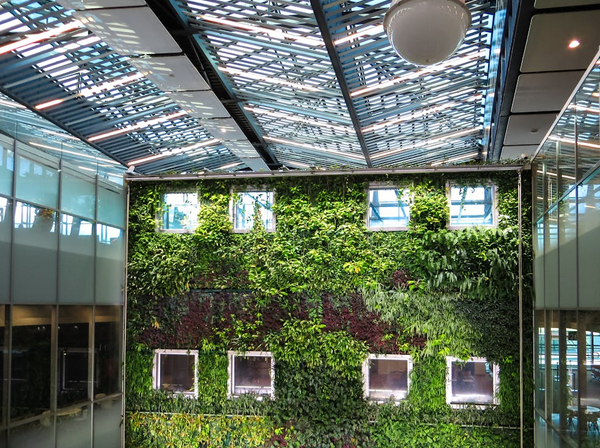
Vertical gardens have become increasingly popular, especially in urban environments where space is limited. These innovative gardens bring a touch of nature to indoor and outdoor spaces and offer numerous benefits, such as improved air quality, reduced stress levels, and aesthetic appeal. Choosing the right plants is crucial to the success of a vertical garden. The plants you select need to thrive in the vertical orientation and contribute to the overall health and beauty of the garden.

This article will guide you through the top five plants ideal for vertical gardens, making your space a lush, green oasis. For a deeper dive into this topic, be sure to explore the insights shared in the aachener zeitung.

Ferns

Ferns are a classic choice for vertical gardens, thanks to their lush foliage and ability to thrive in shaded environments. Their cascading leaves create a beautiful, flowing effect that adds texture and depth to any garden. Ferns are incredibly versatile and can tolerate various light conditions, from low light indoors to partial shade outdoors. Some popular varieties for vertical gardens include Boston ferns, Maidenhair ferns, and Bird’s Nest ferns. These plants prefer moist, well-drained soil and high humidity, perfect for bathrooms or shaded outdoor areas.

Spider Plants (Chlorophytum comosum)

Spider plants are another excellent option for vertical gardens due to their low maintenance and hardiness. Known for their arching, grass-like leaves and small white flowers, spider plants can adapt to various light conditions, although they prefer bright, indirect light. They are also effective air purifiers, removing toxins like formaldehyde and xylene. Spider plants tolerate irregular watering schedules, making them an ideal choice for beginners or those with busy lifestyles. They thrive in well-drained soil and quickly fill space with their long, trailing leaves.

Pothos (Epipremnum aureum)

pothos

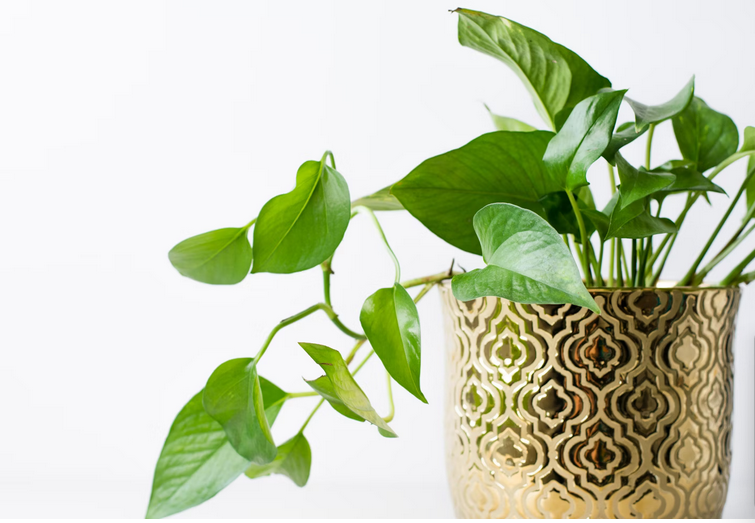
Pothos, also known as Devil’s Ivy, is a popular plant for vertical gardens due to its fast-growing, trailing vines and heart-shaped leaves. This highly adaptable plant can thrive in low light and low humidity conditions, making it suitable for indoor environments. Pothos is also known for its air-purifying qualities, which help improve indoor air quality. With its ability to proliferate and spread, pothos can easily cover a vertical garden structure, creating a lush, green wall. It requires moderate watering and can tolerate occasional neglect, making it an excellent choice for novice gardeners.

Succulents

Succulents are ideal for vertical gardens because of their low water requirements and unique, attractive appearance. Varieties like Sedum, Echeveria, and Crassula are particularly well-suited for vertical gardens due to their compact growth and drought tolerance. These plants thrive in well-drained soil and require minimal watering, making them perfect for sunny, low-maintenance vertical gardens. Their varied shapes, colors, and textures can add visual interest to your vertical garden, transforming it into a living work of art.

Herbs

Growing herbs in a vertical garden is both practical and visually appealing. Herbs such as basil, thyme, mint, and oregano are excellent choices due to their compact growth habits and culinary uses. These plants require good light and well-drained soil to thrive, making them suitable for kitchen windowsills or sunny outdoor walls. Herbs add greenery to your vertical garden and provide fresh, flavorful ingredients for your cooking, making your garden functional and beautiful.

Creating a thriving vertical garden begins with selecting the right plants. Ferns, spider plants, pothos, succulents, and herbs are among the best choices for vertical gardening due to their adaptability, low maintenance, and visual appeal. By carefully choosing plants that suit your space and light conditions, you can create a stunning vertical garden that enhances your environment, purifies the air, and brings a touch of nature to your home or office. Whether you’re a seasoned gardener or a beginner, these plants offer a great starting point for building your vertical garden and enjoying its many benefits.

baby at home

The Top Benefits of Babyproofing Your Home

If you have children, it is essential to babyproof your home. There are many benefits to doing this, including keeping your child safe and preventing accidents. However, if you want some fun with it, you can learn some creative childproofing ideas .This blog post will discuss the top benefits of babyproofing your home. Keep reading for more information!

To Keep Your Baby Safe From Potential Dangers

One of the top benefits of babyproofing your home is keeping your child safe from potential dangers. Many things in a home can be dangerous for children, such as sharp edges, poisonous plants, and electrical cords. By babyproofing your home, you can help to protect your child from these hazards.

To Prevent Accidents

Another top benefit of babyproofing your home is that it helps to prevent accidents. Accidents can happen very quickly in a house with children, often resulting in serious injuries. By babyproofing your home, you can help to reduce the risk of accidents occurring. This is especially important if you have a young child who is still learning to explore and navigate their surroundings. Moreover, babyproofing your home keeps your household items safe. Many things in a home can be dangerous for children, such as sharp edges, poisonous plants, and electrical cords.

a baby in a washing machine

To Save on Costs

Another benefit of babyproofing your home is that it is cost-effective and cheap. There are many things you can do yourself to babyproof your home without spending a lot of money. For example, you can install safety gates at the top and bottom of stairs, put covers on electrical outlets, and keep poisonous plants out of reach. In addition, you can also buy items like cabinet locks and doorknob covers to further babyproof your home.

To Have Peace of Mind

One of the best benefits of babyproofing your home is that you’ll have peace of mind when your baby starts crawling and walking. When your child begins to explore their surroundings on their own, you’ll know that they are safe, thanks to all of the precautions you took while babyproofing your home. This can be very reassuring for parents who worry about their child’s safety. When you babyproof your home, you can keep an eye on your child at all times. For instance, you can set up a camera in the living room or playroom so that you monitor them from anywhere in the house.

dim house

Understanding the Crucial Role of Facades in Energy-Efficient Buildings

In the pursuit of energy-efficient buildings, facades play a crucial role. These facades, or the exterior envelopes as explained at Immobilien, are the first line of defense against external elements, and it significantly impacts the building’s energy performance. A well-designed and properly constructed facade can help minimize heat gain, maximize natural lighting, improve insulation, and reduce energy consumption. In this article, we will explore the essential roles that facades play in creating energy-efficient buildings.

Thermal Insulation

termal

One of the primary roles of a facade in an energy-efficient building is to provide thermal insulation. Well-insulated facades prevent the transfer of heat between the interior and exterior of the building, reducing the need for excessive heating or cooling. Proper insulation materials, such as high-performance insulation panels or double-glazed windows, can significantly reduce energy loss through conduction, convection, and radiation. By minimizing heat transfer, insulated facades help maintain a comfortable indoor temperature, reduce reliance on artificial heating and cooling systems, and lower energy consumption.

Daylighting and Natural Lighting

Facades can also facilitate the integration of daylighting strategies, enhancing the energy efficiency of a building. Daylighting refers to the use of natural light to illuminate interior spaces, reducing the reliance on artificial lighting systems during daylight hours. Well-designed facades incorporate elements like large windows, skylights, light shelves, or light-diffusing materials to optimize natural lighting.

lighting

Solar Heat Gain Control

A facade also plays a critical role in controlling solar heat gain. Solar radiation can contribute to excessive heat buildup within a building, particularly during warm seasons. Facades can employ various techniques to mitigate solar heat gain, such as strategically placed shading devices, reflective coatings, or glazing with low solar heat gain coefficients (SHGC). Shading devices like fins, louvers, or overhangs can block direct sunlight while allowing natural light to penetrate the interior space. Reflective coatings and low SHGC glazing help reflect or absorb less solar radiation, reducing the amount of heat transferred into the building.

Air Tightness and Ventilation

vent

Facades also contribute to the air tightness of a building, which is crucial for energy efficiency. An airtight facade minimizes air infiltration and exfiltration, preventing the loss of conditioned air and the entry of unconditioned external air. Proper sealing between facade components, careful installation of windows and doors, and the use of vapor barriers and weather-stripping are essential in achieving effective air tightness.

Facades play a vital role in creating energy-efficient buildings by providing thermal insulation, controlling solar heat gain, maximizing daylighting, and ensuring air tightness. These roles collectively contribute to reducing energy consumption, improving occupant comfort, and minimizing environmental impact.