From Aesthetics to Durability: How Roof Shingles Impact Your Home’s Value

As a homeowner, it’s important to understand the impact that various aspects of your home have on its overall value. While some features are purely aesthetic, others are crucial to the structural integrity and longevity of your property. One such feature that often goes overlooked is the roof shingles. Not only do they play a vital role in protecting your home from the elements, but they also have a significant impact on its appearance and curb appeal. From the materials used to the installation process, there are various factors to consider when selecting the best roofing shingles for your home.

Quality Shingles Increase Curb Appeal
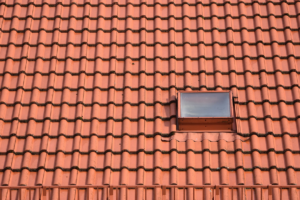
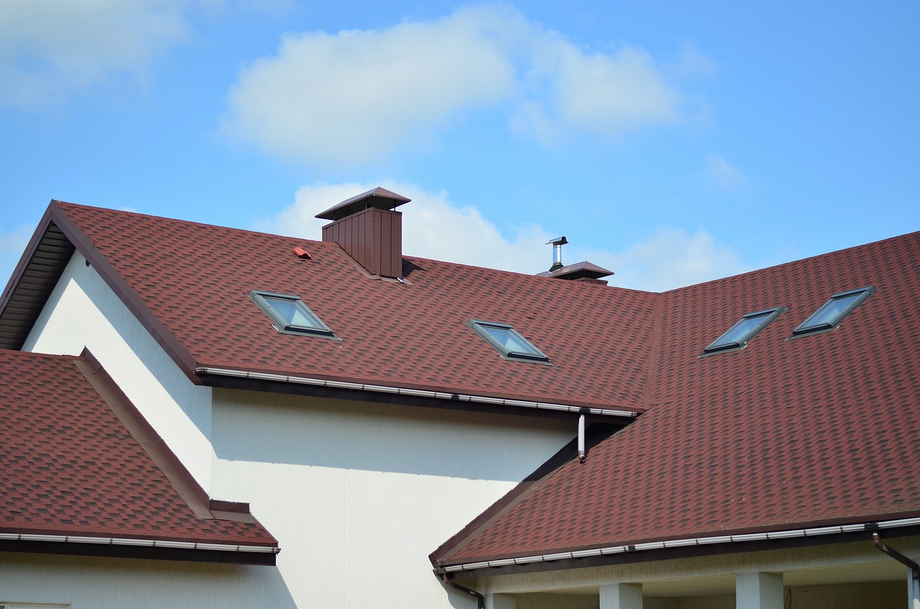
shinglesFrom aesthetics to durability, roof shingles have a significant impact on your home’s value. First impressions are vital, and quality shingles can increase your home’s curb appeal. The roof is one of the most visible elements of your home’s exterior and can greatly influence potential buyers’ perception of the property. Investing in high-quality shingles can make your home stand out from the competition, and a well-maintained roof can even add to your home’s resale value. Additionally, shingles come in various colors and styles, allowing homeowners to choose the perfect option to complement their home’s architecture and enhance its overall look.

Energy-Efficient Shingles Improve Insulation

Energy-efficient shingles are an innovative roofing solution that not only enhances the appearance of your home but also offers improved insulation benefits. These shingles are designed to keep the interior of your home cooler in the summer and warmer in the winter, reducing energy consumption and saving you money on utility bills. The shingles are made from a range of materials, such as asphalt, metal, and composite, which are treated with special coatings to improve their energy efficiency.

Durable Shingles Reduce Maintenance Costs

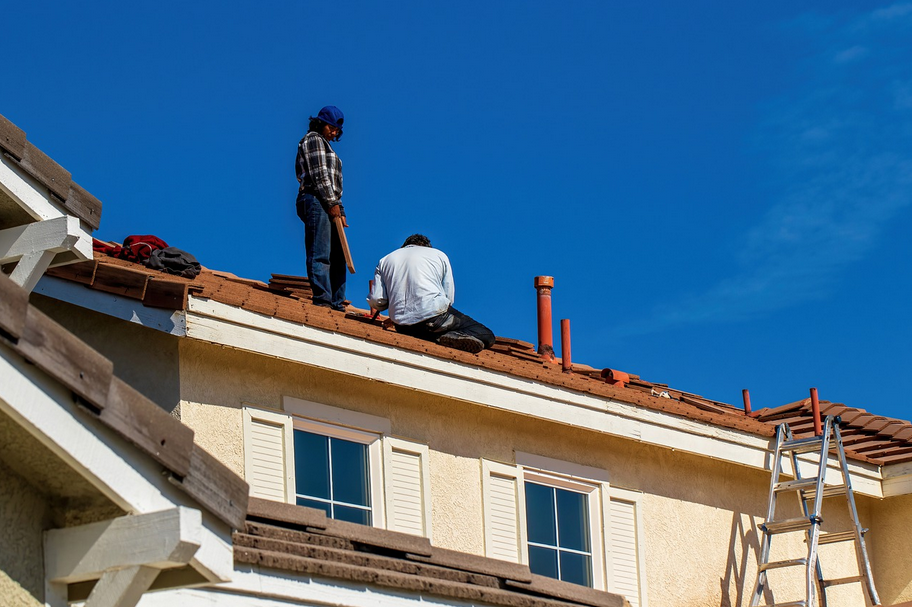
When homeowners consider replacing their roof shingles, aesthetics often come to mind first. However, durability is an equally important factor to consider. Durable shingles can significantly reduce maintenance costs and extend the lifespan of your roof. With a longer lifespan, you can save money on repair and replacement costs in the long run. Investing in high-quality shingles made from durable materials, such as asphalt or metal, can provide extra protection against harsh weather conditions and minimize the need for frequent repairs. In addition to lowering maintenance costs, durable shingles can also increase the value of your home by providing better protection and improving its overall appearance.
maintenance

Premium Shingles Offer Superior Protection

When it comes to protecting your home, the type of roofing shingles you choose can make a significant difference in the longevity and durability of your roof. Premium shingles, in particular, offer superior protection compared to their standard counterparts. These shingles are made with higher-quality materials, such as fiberglass or asphalt, and are designed to withstand harsh weather conditions, such as heavy rainfall, strong winds, and hail. In addition, premium shingles often come with extended warranties that provide homeowners with added peace of mind.

Upgraded Shingles Increase Resale Value
Installing upgraded shingles can significantly increase the resale value of your home. High-quality shingles not only provide better protection from the elements but also enhance the overall aesthetic appeal of your home. Upgraded shingles are available in various materials, such as asphalt, metal, and slate, and offer superior durability and longevity compared to standard shingles. In addition to providing an attractive appearance, these shingles can also enhance your home’s energy efficiency, reducing heating and cooling costs and further increasing the value of your property.

Roof shingles significantly affect your home’s value, aesthetics, and durability. When choosing the right shingles, it’s crucial to consider factors such as material, color, style, and quality. Investing in high-quality shingles may be more expensive upfront, but protecting your home and increasing its value can pay off in the long run. It’s always recommended to consult with a roofing professional to understand which shingles will work best for your home and budget.

Leave a Reply

Your email address will not be published. Required fields are marked *

Related Post

Renovate

Budgeting for Your New Home: How to Estimate Costs and Avoid Common Pitfalls

Building your dream home is an exciting venture, but it comes with the responsibility of budgeting to ensure your project stays on track financially. Proper budgeting is critical to creating your ideal home without experiencing unexpected financial stress. In this article, we’ll guide you through the process of estimating costs and share tips to help you avoid common budgeting pitfalls during your new home construction journey. For more information, visit https://www.gelbeseiten.de/ratgeber/hg/welcher-hausbau-anbieter-ist-der-richtige.

Assess Your Financial Situation

Before diving into the specifics of budgeting, assessing your current financial situation is essential. Determine how much you can comfortably afford, considering your savings, income, and any financing options, such as a mortgage or construction loan. It’s also important to consider any potential changes in your income or expenses during the construction process, as this can affect your budget.

couple

Create a Detailed Budget

Once you clearly understand your financial resources, create a comprehensive budget for your new home construction. Consider the following components:

  • Land Costs: If you still need to purchase the land, factor in the cost of the lot, including property taxes and any necessary site preparations.
  • Construction Costs: Estimate the expenses related to the actual building, including materials, labor, permits, and subcontractor fees.
  • Design and Architectural Fees: Account for design and architectural services if you work with professionals.
  • Utilities and Infrastructure: Include costs for connecting utilities such as water, electricity, gas, and sewage systems.
  • Interior Finishes: Budget for interior finishes, fixtures, appliances, flooring, and cabinetry.
  • Landscaping and Outdoor Features: Remember expenses related to landscaping, outdoor spaces, and any additional amenities you want to include.
  • Contingency Fund: Set aside a contingency fund for unexpected expenses, typically around 10-15% of your total budget.

Get Multiple Quotes

To ensure accurate cost estimates, seek quotes from multiple builders, contractors, and suppliers. This allows you to compare prices and select the most cost-effective options while maintaining quality. Don’t forget to factor in any potential additional costs, such as overtime fees or change orders.

Consider the Location

The location of your building site can significantly impact construction costs. Research local labor and material prices, as well as permit fees and regulations, to account for location-specific factors in your budget.

Prioritize Your Needs and Wants

Identify your must-have features and prioritize them in your budget. Make a clear distinction between essential elements and items that would be nice to have but aren’t crucial. This helps you allocate funds wisely.

Account for Future Expenses

Remember that your expenses don’t end once your home is built. Factor in future costs such as property taxes, homeowners’ insurance, maintenance, and potential renovations or upgrades. Planning for these expenses can prevent future financial strain.

Regularly Review and Adjust

As your home construction progresses, regularly review your budget to ensure you’re staying on track. Be prepared to make adjustments if necessary, especially if unexpected costs arise. Communicate openly with your builder and other professionals involved to avoid any surprises.

Seek Professional Guidance

Consider consulting with a financial advisor or a construction cost estimator to ensure your budget is well-informed and realistic. They can offer valuable insights and help you navigate any complex financial aspects of your new home construction.

In Conclusion

Budgeting for your new home is a crucial step in achieving your dream while maintaining financial stability. By creating a detailed budget, getting multiple quotes, prioritizing needs and wants, and regularly reviewing expenses, you can navigate the construction process confidently. Avoiding common budgeting pitfalls ensures that your new home project remains a fulfilling and financially sound endeavor, allowing you to enjoy your dream home for years to come.

trendy

Designing Your Home With Today’s Trends

Many of us dream of living in a beautiful home. Few people take the necessary steps to beautify their homes. People who are interested in interior design trends can transform their rooms into something beautiful and inspiring. These homeowners encourage their relatives and neighbors to pay attention to interior design. They also look for inspiration on the internet, in magazines, and on television. They make sure that interior design trends are in line with current trends and conform to social norms.

Let’s take a look at the latest interior design trends. The latest trends will not disappear so quickly, and they are not going to change anytime soon because they are very different from fashion and technology. They persist and are gradually catching on. They will remain in style for many years to come. You can find homes that accept them and constantly adapt their merits. Below are some tips when designing your house’s interior:

Combine Modern and Traditional Ideas

modern design

The latest interior design trends are not a new idea or discovery. They are a combination of traditional and modern ideas. Modern structures are increasingly using wood materials, which amounts to a return to the classic style. Today’s homeowners prefer smaller but more comfortable rooms than were common in the 1960s and 1970s.

Design With a Touch of Nature and Use Natural Materials

plantsHomeowners are looking for a calm and pleasant atmosphere when designing their interiors. Homeowners want clean, natural spaces without expensive ornaments and flashy decorations. More natural and greener materials are being used in interior design. Wood and green carpets are becoming increasingly popular in interior design.

Homeowners are using more natural materials and colors to enhance their homes. Handmade products are becoming a popular choice for those who want beautiful interiors. Modern geometrics and vibrant textures are also being used in interior design. Even if they are not manufactured, glass and other transparent items are becoming increasingly popular in interior remodeling.

Add Natural Lighting and Use Handcrafted Products

sunlightAccording to the latest interior design trends, more natural light is preferred over darker tones. Only materials and elements that let in more light can be used. Homeowners now prefer bold designs, smooth edges, soft-edged accessories, and light primary colors.
We have to admit it: people want a stylish look and feel. Vintage furniture and accessories can be used to enhance interiors. It is crucial to add an artistic touch to interiors with handmade items. The difference can be seen in the way custom furniture is used today.

birds

Balancing Nature and Cleanliness: How to Keep Birds Out of Gutters and Vents

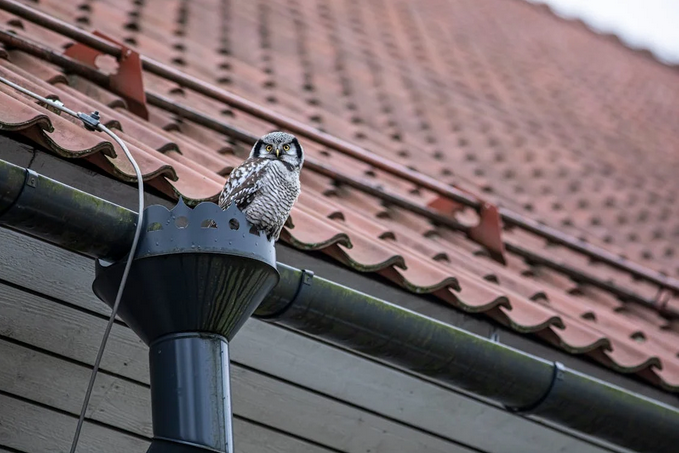
Birds are a welcome part of nature, but they don’t belong in your home’s vents and gutters. Nesting birds can clog airflow, block drainage, and even cause structural damage. Debris from nests can lead to moisture problems and attract pests. Over time, these issues can result in costly repairs. Installing gutter guards and covers is one effective way to keep birds out of these vulnerable areas. The goal isn’t to harm birds it’s to guide them away from the wrong places. With the right strategy, you can protect your home without disrupting local wildlife.

Understanding Why Birds Choose These Spots

Gutters and vents are attractive to birds for a few reasons. They offer shelter from the elements, a place to nest, and often go unnoticed by predators. Soffit vents, bathroom exhausts, and roof gutters are common problem areas. If birds return each year, it’s likely because they’ve found it to be a safe and familiar place. Recognizing this behavior is the first step toward a long-term solution. Birds are creatures of habit, and removing the appeal of these spaces will encourage them to move elsewhere.

Securing Vents Without Blocking Airflow

Vents need to remain functional. You can’t just cover them entirely. Instead, use vent covers designed to keep birds out while still allowing air to pass through. These covers are often made of metal mesh or durable plastic. Installation is usually simple and requires only a few screws. Be sure to measure carefully before you purchase any covers. Improper fitting can reduce airflow or allow birds to squeeze through. Check these covers once or twice a year to make sure they’re still secure and undamaged.

Installing Gutter Guards for Long-Term Results

gutter cover

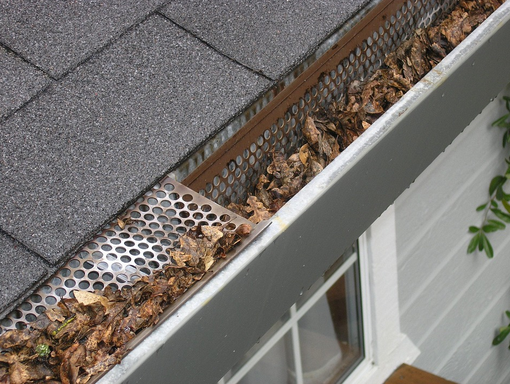
Gutter guards are one of the most effective tools against birds. These are mesh or perforated covers that sit on top of your gutters. They allow water through but block leaves, sticks, and curious birds. There are different types depending on your roof style and gutter shape. Some snap in easily, while others may need professional installation. While there’s an upfront cost, guards offer lasting protection and reduce how often you’ll need to clean. It’s a unique way to combine function and prevention in one solution.

Cleaning Gutters as a Preventive Measure

Gutters filled with leaves and twigs are ideal nest-building spots. Keeping your gutters clean will make them less appealing. Regular gutter cleaning is essential especially in the spring, when birds begin to nest. If you’re doing this yourself, use gloves and a scoop to remove debris. Rinse the gutters afterward to check for proper drainage. If you prefer not to climb ladders, hire a professional twice a year. Clean gutters don’t just discourage birds they also prevent water damage and mold.

Encouraging Birds to Nest Elsewhere

Birds need safe places to raise their young. If your goal is to keep them away from your home, consider offering them an alternative. Installing a birdhouse in your yard can redirect their interest. Place the birdhouse in a quiet area with nearby trees or shrubs. Make sure it’s elevated and protected from ground predators. Providing water nearby also helps. When birds have what they need elsewhere, they’re less likely to invade your home’s vents or gutters.

If you find an active bird nest in a vent or gutter, don’t remove it right away. Many birds are protected by law, and disturbing a nest can be illegal in some areas. Wait until the nest is no longer in use. Once the birds leave, clean the area thoroughly and seal it to prevent future nesting.