Excellent Ways to Create a Comfortable Home Office

As the pandemic began, all aspects of the world have been changing. It also happens to businesses. They ask their employees to work from home. But, working from home seems impossible to stay productive. So, having a cozy area to work in at home sounds excellent, but where to start building it? Regardless of whether you start from scratch or not, we’ve listed some of the ways you can transform your room into a comfortable home office.
Home Office

Organize Your Workspace

When you work at home, you need to make sure you keep all your important files and documents in one place. You would want to find a spacious area in your office and put effort into its design. Another technique is to buy filing cabinets for your documents. Whichever option works for you, you have the freedom to choose how you want it to look based on your personality: maybe you’re a visual type and want everything stacked on shelves so you can see it, or maybe you’re a minimalist and want to keep the clutter hidden. Think about the core of your work and try to set up your home office in a way that suits your needs.

Liven Up Your Workspace With Bright Neutral Colors

Working at a bright and stimulating distance is crucial to your mood along with your overall functionality. Consider painting the walls of your work area in the color that best suits your work personality. If a considerable amount of psychological work is required, proceed with understated – it is known to calm you down. Red is an excellent choice for areas with a lot of physical work, while green is used in rooms to balance. However, limit your color palette to three colors per room to maintain a sense of balance and cohesion. Another thing you can do to make your home office lively and vibrant is to brighten it up with some bright furniture like ottomans and chairs while adding a large traditional rug to your office will make it look more comfortable and cozy.

Invest in Comfortable Furniture
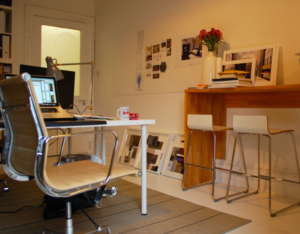
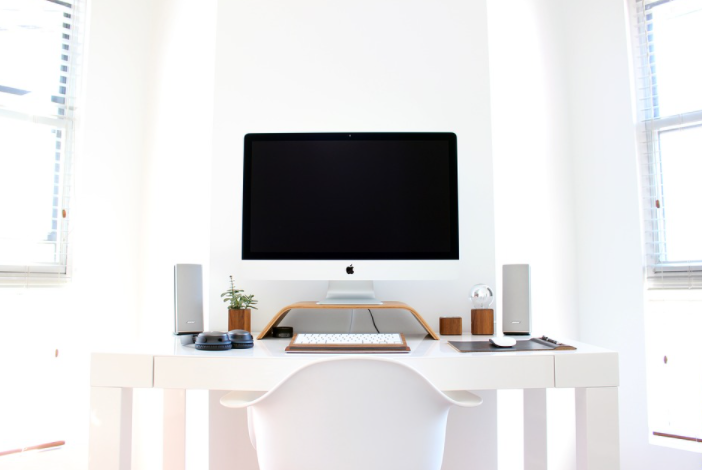
Home OfficeThe number one thing you want to spend on is a comfortable, high-quality chair. It’s important to provide your spine with good support throughout the day, especially if you work many hours in the same place. Also, make sure that the chair’s height is adjustable so that you can quickly adjust it to the height of your desk. So, let’s say that with a climate as hot as Australia, many have made radical air conditioning changes due to the high temperatures they experience. There’s a consistent trend here: install energy-efficient and cost-effective equipment to improve overall productivity.

Personalize Your Workspace

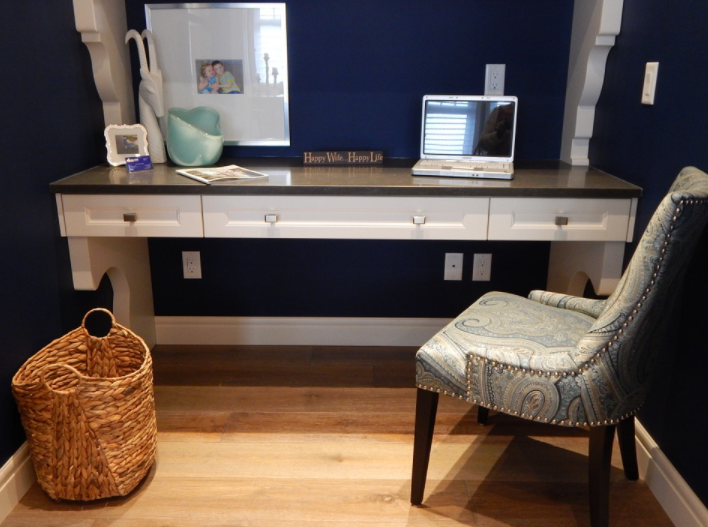
Just because it’s an office doesn’t mean you can’t incorporate some of your favorite things into the space. Make it feel more private and cozy by putting some inspiring artwork or a vase with your favorite flowers. You can also bring in a personalized pen holder or hang posters with inspirational quotes. To make entering your home office seem less sudden, try to match the style of your office to the rest of the house because you have that freedom. That way, it won’t feel like just another place on its own, but a well-connected and cohesive whole. Design your workspace in a way that makes sense and resembles true office energy to meet those deadlines and ultimately become a coordinated and productive person overall.
Related Post

Home Constructor

Major Qualities to Look for in a Professional Home Building Contractor

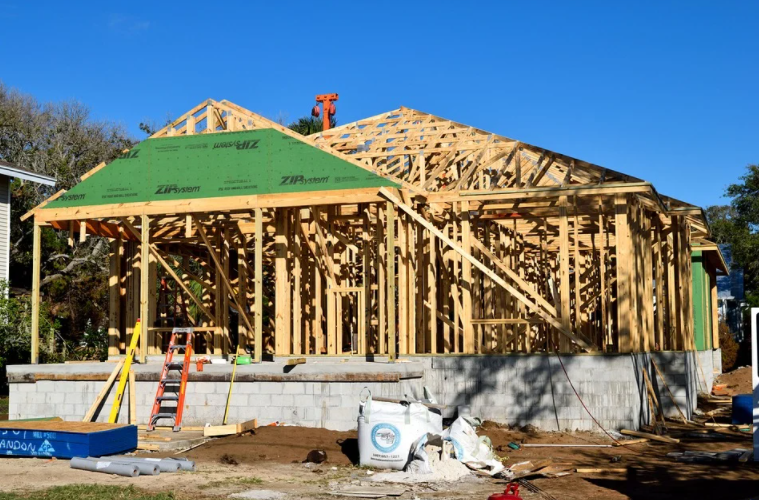
If you are considering creating a home through a contractor, there are particular aspects to consider. Each of them is equally important and cannot be ignored. One of the essential aspects of a professional home building contractor is the contractor bond. You can check out e-architect.com to learn more about it. Professional home builders are known for their diligence and the high caliber of their work, which we have found to be the best in the country. Some of these qualities should be an important part of professional home builders from initial consultations, design theories, material selection, construction, and completion of the new home or remodeling projects.

Home Constructor

Contractor Bond

The first thing you should consider when choosing the best home building contractor is their contractor bond. You should choose the one with a contractor bond. The contractor bond is essential for the contractor company to make sure that they can fulfill the entire obligation of the project. If the contractor fails to work the project, the surety can give you compensation with the money so the project can continue. Having a surety-bonded contractor can make sure the safety of your home building project.

Great Innovative Ideas and Flexibility

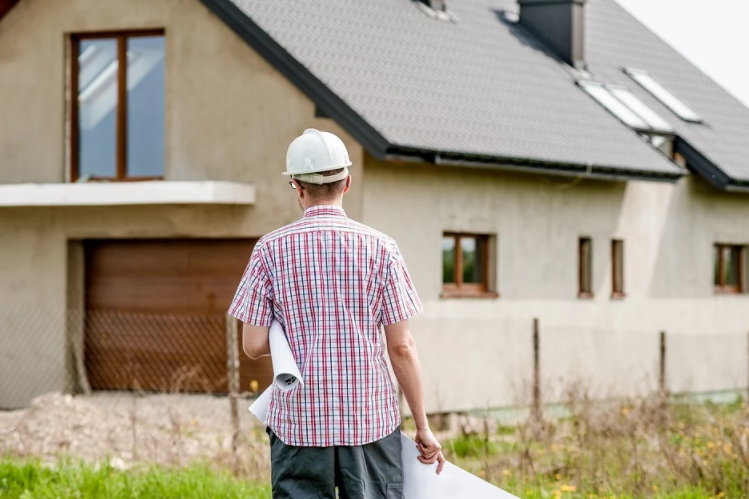
Home ConstructorAssembling a new home or renovating a home constantly creates excitement. But, one thing that must not be forgotten is that how the job is prepared. You need to set revolutionary terms. Additionally, when dealing with builders, you should remember that it is wise to ask them questions to inquire about their understanding of your home renovation or construction strategies.

This way, you will be able to know whether the builder is resilient or not. Also, selecting a builder who has experience in transforming old homes into something modern, energy-efficient, and technologically complicated is a fantastic advantage. These certified and professional developers can solve various site-specific problems. So, the first thing to look for is “flexibility for innovative thinking”.

Commitment and Deadlines

Commitment and timeframe can be assessed through customer feedback and observations from the professional you are likely to use. If you understand that the specified contractor or builder has poor critiques or complaints about occupancy times, then it is best to stop them. Keep in mind that you will end up paying more if the contractor goes over time. Your work can also be affected by changes in weather conditions.

Therefore, you can save money and time by rejecting contractors who do not commit. On the other hand, a dedicated home builder can save you frustration and stress and complete the job within the designated budget. Construction should be planned with the client’s needs in mind. Every step must be done as discussed from start to finish, or it is likely to become a money pit.

Proper Communication

You and your builder should have smooth communication where both parties understand the proper method of communication to get the job done and completed. To make sure there is no communication gap and to recognize that everything is moving and being done well from one person to the other, communication can be done virtually any way (phone calls, emails and face-to-face meetings, web meetings, etc.). If you are on the same level of mind about building the house, you will likely end up with the house of your dreams. Otherwise, it will be a tragedy.

Excellent Reputation

The credentials and recommendations of this company are essential in deciding who to use and who to avoid. It is of the utmost importance to know a company with a history of taking care of its customers and keeping its promises. Ask around to see if it is possible to speak with one of them.

That way, you probably won’t become a guinea pig for a new and inexperienced contractor, and you’ll also protect yourself from potential problems. Well, these are just the basics you should consider when looking for an experienced home builder. There may be others to add to the list of five qualities mentioned in this report. To build a good quality home, several items could be added to the list.

living room

Creating a Buyer’s Dream: Expert Tips for Effective Home Staging

Welcome to the world of home staging, where a little bit of creativity and strategic planning can turn an ordinary space into a buyer’s dream. Whether you’re preparing to sell your own home or working as a professional stager, the art of showcasing a property is essential in capturing potential buyers’ attention. In this blog post, we’ll explore expert tips and tricks for effective home staging that will leave prospective buyers swooning over every inch of your space. Get ready to unlock the secrets to creating a captivating environment that appeals to even the most discerning house hunters. On the other hand, if you want to start a website after successfully selling your home, it is important to read the article on flippa.com. So, roll up your sleeves, and let’s dive into the wonderful world of home staging.

Neutralize Colors

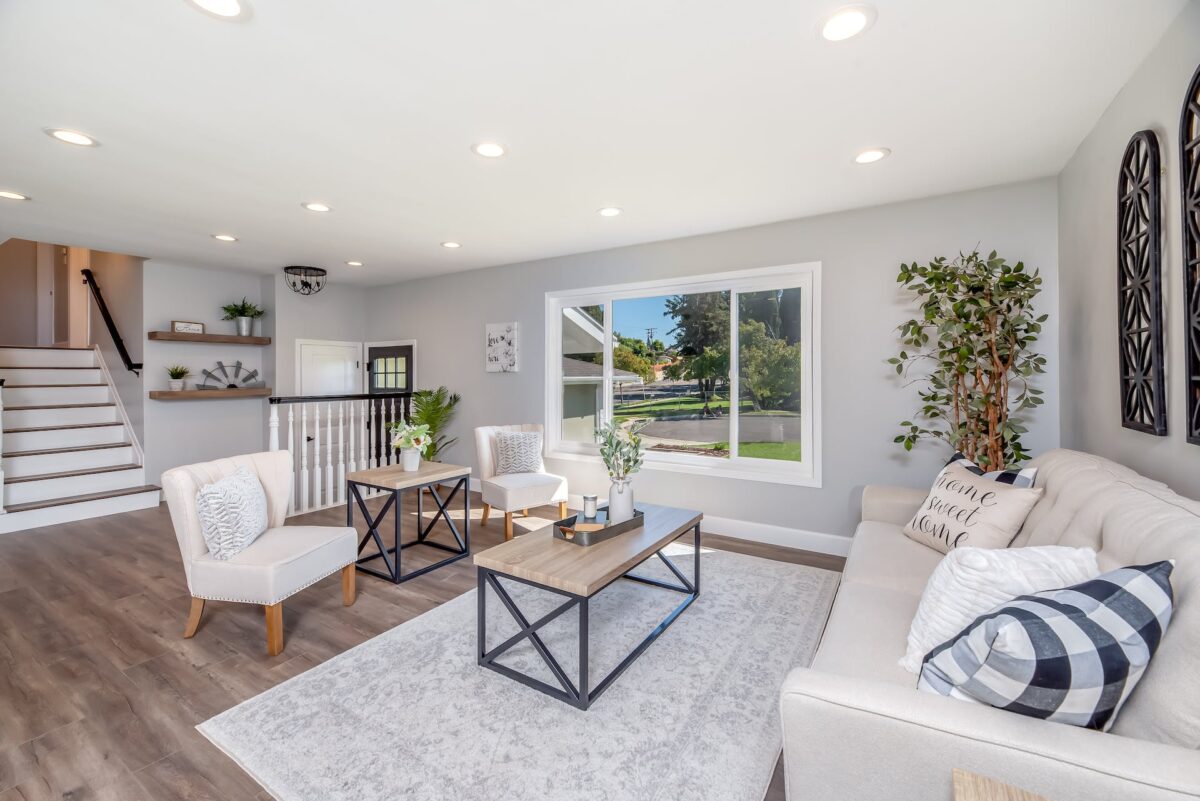
lights When it comes to home staging, one of the first things you’ll want to consider is neutralizing the colors in your space. While vibrant and bold hues may reflect your personal style, they can be overwhelming for potential buyers who are trying to envision themselves living in the space. By opting for a more neutral color palette, you create a blank canvas that allows buyers to imagine how they would personalize the home. Start by repainting any walls that have bright or unusual colors. Choose soft and neutral shades such as whites, beiges, or light grays.
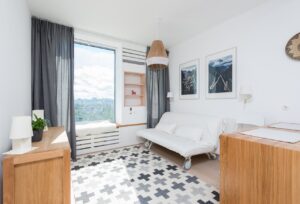
These tones help create an airy and spacious feel while allowing natural light to bounce off the walls. In addition to paint, take a look at any bold or patterned furniture pieces that may clash with your desired aesthetic.

Highlight Space and Functionality

When it comes to effective home staging, one of the key elements is highlighting the space and functionality of each room. Potential buyers want to envision themselves living in the house, so it’s important to create a sense of openness and practicality. One way to achieve this is by decluttering and removing any unnecessary furniture or items that may make a room feel cramped or overcrowded. By creating more open floor space, you allow potential buyers to see the true size and layout of each room. Another technique is using furniture placement strategically. Arrange your furniture in a way that emphasizes flow and functionality, showcasing how each area can be used for different purposes.

painting Rearrange Artwork and Decor

When it comes to staging your home, don’t underestimate the power of artwork and decor. These elements can truly transform a space and create an inviting atmosphere for potential buyers. But here’s the thing – you need to arrange them strategically. First, take a look at your current setup. Is there too much clutter? Are there any personal items that might distract buyers? If so, it’s time to declutter and depersonalize. Remove family photos or quirky artwork that may not appeal to everyone.

Consider Professional Staging

When it comes to selling your home, first impressions matter. And that’s where professional staging can make all the difference. While you may think you have a good eye for design and can stage your home yourself, hiring a professional stager can take your home to the next level. Professional stagers have an expert understanding of what buyers are looking for in a home. They know how to showcase each space in its best light and create an atmosphere that appeals to potential buyers. From choosing the right furniture and decor to arranging it optimally, they know exactly how to highlight your home’s best features.

While DIY staging efforts are commendable, considering professional staging services could be worth the investment. Professional stagers bring expertise in creating captivating spaces tailored to target demographic preferences, ultimately increasing your chances of getting top dollar for your property. Remember that first impressions matter greatly when it comes to selling a home. By implementing these expert tips for effective home staging – neutralizing colors, highlighting space and functionality, and rearranging artwork and decor strategically – you’ll be well on your way to creating a buyer’s dream. So get started today by transforming your living spaces into irresistible showcases!

dim house

Understanding the Crucial Role of Facades in Energy-Efficient Buildings

In the pursuit of energy-efficient buildings, facades play a crucial role. These facades, or the exterior envelopes as explained at Immobilien, are the first line of defense against external elements, and it significantly impacts the building’s energy performance. A well-designed and properly constructed facade can help minimize heat gain, maximize natural lighting, improve insulation, and reduce energy consumption. In this article, we will explore the essential roles that facades play in creating energy-efficient buildings.

Thermal Insulation

termal

One of the primary roles of a facade in an energy-efficient building is to provide thermal insulation. Well-insulated facades prevent the transfer of heat between the interior and exterior of the building, reducing the need for excessive heating or cooling. Proper insulation materials, such as high-performance insulation panels or double-glazed windows, can significantly reduce energy loss through conduction, convection, and radiation. By minimizing heat transfer, insulated facades help maintain a comfortable indoor temperature, reduce reliance on artificial heating and cooling systems, and lower energy consumption.

Daylighting and Natural Lighting

Facades can also facilitate the integration of daylighting strategies, enhancing the energy efficiency of a building. Daylighting refers to the use of natural light to illuminate interior spaces, reducing the reliance on artificial lighting systems during daylight hours. Well-designed facades incorporate elements like large windows, skylights, light shelves, or light-diffusing materials to optimize natural lighting.

lighting

Solar Heat Gain Control

A facade also plays a critical role in controlling solar heat gain. Solar radiation can contribute to excessive heat buildup within a building, particularly during warm seasons. Facades can employ various techniques to mitigate solar heat gain, such as strategically placed shading devices, reflective coatings, or glazing with low solar heat gain coefficients (SHGC). Shading devices like fins, louvers, or overhangs can block direct sunlight while allowing natural light to penetrate the interior space. Reflective coatings and low SHGC glazing help reflect or absorb less solar radiation, reducing the amount of heat transferred into the building.

Air Tightness and Ventilation

vent

Facades also contribute to the air tightness of a building, which is crucial for energy efficiency. An airtight facade minimizes air infiltration and exfiltration, preventing the loss of conditioned air and the entry of unconditioned external air. Proper sealing between facade components, careful installation of windows and doors, and the use of vapor barriers and weather-stripping are essential in achieving effective air tightness.

Facades play a vital role in creating energy-efficient buildings by providing thermal insulation, controlling solar heat gain, maximizing daylighting, and ensuring air tightness. These roles collectively contribute to reducing energy consumption, improving occupant comfort, and minimizing environmental impact.