Home Training Guide to Prepare for Hockey Matches

You should play field hockey if you are serious about it. These programs will help you improve your skills and keep you fit for the sport. Field hockey requires players to be strong, agile, and aerobically fit. Setting up a home gym is a great way to train whenever you want. That is why after all that hard training you can continue exercising in a lighter way with these games at home.

Create Your Own Home Gym
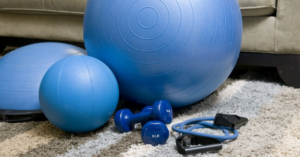
Workout Look around before setting up a home gym. Find a place in your home where you can set up your equipment. A basement is a great place to set up a home gym. Here’s why. Concrete floors are strong enough to support heavy loads. Because the equipment is heavy, you don’t have to worry about damaging or scratching the floor. It’s also an excellent place to store gear out of reach for small children. The basement is not a suitable place for children. You don’t have to worry about your children playing with the equipment and getting hurt.

Once you have found the right place for your home gym, you can look into purchasing equipment. Think about the space you have available for your home gym and consider what equipment you want to purchase. You can choose the equipment you need to stay fit and healthy. You can search the Internet for different types of fitness equipment. Make sure you read the descriptions before you buy. It is not necessary to buy all the equipment at once. Start with the essential kit if you are on a tight budget. You can always buy more later. Buy second-hand fitness equipment if you want to save money.

Train in the Outdoor Area of Your Home

Hockey After you finish your home gym, you need to improve your endurance for the game. Aerobic exercise can help players improve their endurance and facilitate perseverance in challenging games. Although most cardiovascular, aerobic, strength, and weight training takes place on the ice, some of the best field hockey training programs include an on-ice workout. You can also do a virtual exercise. You will find beneficial information on this site. You will also learn essential stick and puck handling maneuvers, shooting techniques, and some skating maneuvers.

Strength and weight training in hockey require a large amount of muscle. Field hockey is one of the most demanding sports in terms of wear and tear. Not only are strength and agility training, but also speed.

You may think that field hockey is all about the knees and legs. The legs are essential for puck control, balance, and skating speed. Because field hockey players have very long legs, they must be kept flexible and strong. Leg exercises should also train the groin. Other muscles that you will frequently use during the game are just as important. These include the lower back and adductors. Regardless of how you train for the season or what other exercises you do, your field hockey training program should include all of these. A comprehensive program will keep you in great shape and help you perform at your best.

Related Post

architect

The Role of Post Shoes in Modern Home Construction and Outdoor Spaces

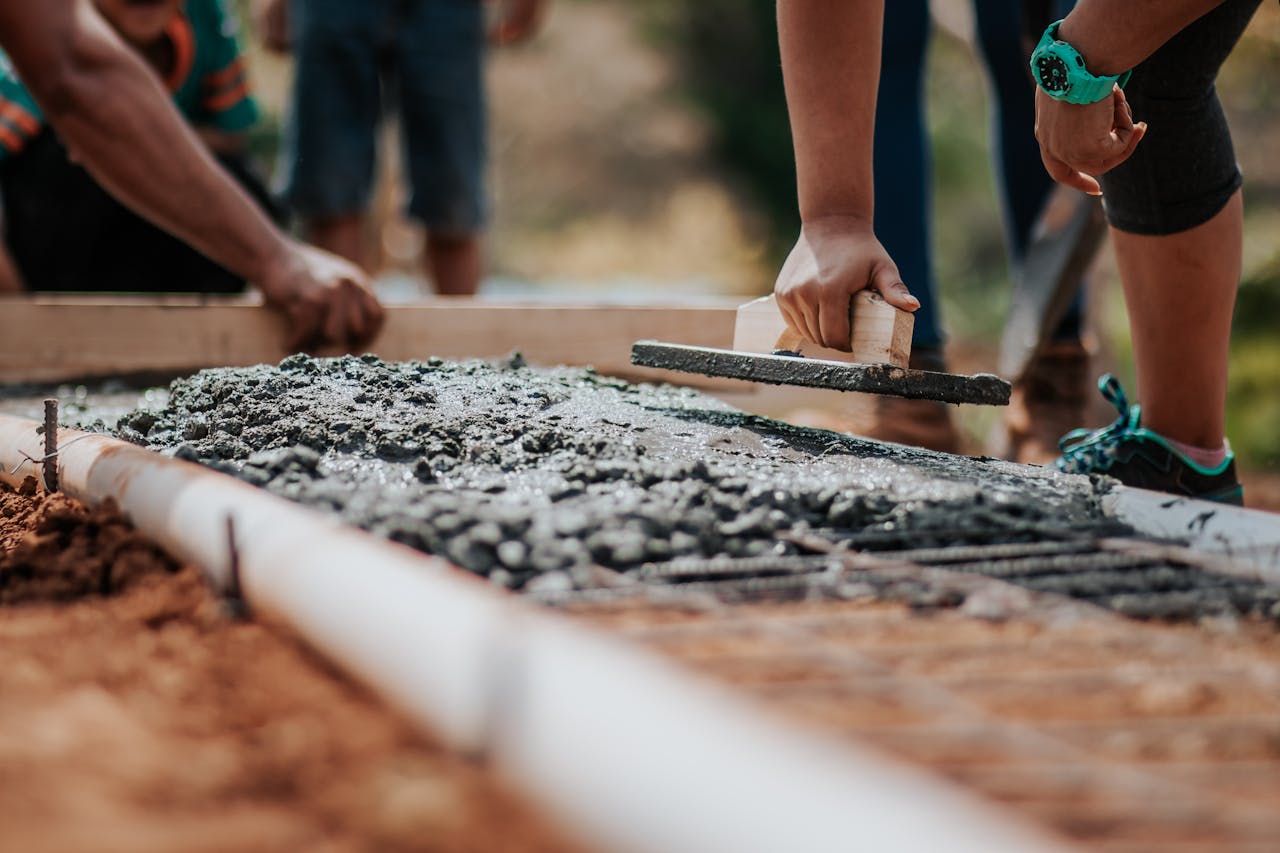
When it comes to building a modern home or enhancing outdoor spaces, every detail matters. One often-overlooked component that plays a crucial role in this equation is the humble post shoe. These small yet mighty metal brackets might not be the first thing that comes to mind when planning your next construction project, but they are essential for ensuring stability and longevity. Choosing the right Post Shoe is important as this serves as the foundation for posts and columns, providing them with much-needed support. They help elevate structural elements above ground level, protecting them from moisture damage and decay. With an array of options available on the market today, understanding their role can transform how we approach home construction and landscaping.

The Benefits of Using Post Shoes in Home Construction

Post shoes offer a sturdy foundation for any structure. They elevate posts above ground level, providing crucial protection against moisture and decay. This simple elevation can significantly extend the life of wooden posts. Another advantage lies in their ease of installation. Post shoes simplify anchoring, making it quicker to secure your framework. This efficiency saves both time and labor costs during construction. Additionally, post shoes enhance structural integrity. By distributing weight evenly, they reduce the risk of shifting or settling over time. This support is especially vital in areas prone to heavy winds or unstable soil conditions.

Different Types of Post Shoes and Their Uses

Post shoes come in various types, each designed for specific applications. The most common is the standard post anchors, which provide a solid base for vertical supports like fences or decks. They’re easy to install and offer excellent stability. Another type is the adjustable post shoe. This design allows you to modify the height of your posts after installation, making it ideal for uneven ground conditions. It’s especially useful in landscaping projects. For those looking to enhance aesthetics alongside functionality, decorative post shoes add style while supporting structures like pergolas or gazebos. They often feature intricate designs that elevate outdoor spaces visually.

Different Types of Post Shoes and Their Uses

How Post Shoes Enhance Outdoor Spaces

Post shoes play a crucial role in transforming outdoor spaces. These sturdy supports elevate wooden posts above ground, preventing moisture-related damage. This simple design helps maintain the integrity of structures like decks, fences, and pergolas. By using post shoes, homeowners can create visually appealing landscapes while ensuring durability. Raised posts provide better drainage and airflow around wood materials. This allows for longer-lasting installations that require less maintenance.

Factors to Consider When Choosing Post Shoes

Choosing the right post shoes requires careful consideration. Start with the load capacity. Different projects demand various weight tolerances, so ensure that your selected shoes can handle the expected loads. Next, think about material compatibility. Post shoes come in steel and galvanized options. Select based on local weather conditions to prevent rusting or decay over time. Don’t overlook the size and design of the post shoe. Ensure it fits snugly around your posts for stability and security.  Also, weigh the installation method needed. Some models require additional anchoring systems or specific tools for proper setup.

Installation Process for Post Shoes

Installing post shoes is straightforward, but precision is key. Begin by selecting the right location for your posts. Mark where each post will go to ensure proper alignment. Next, prepare the ground by digging holes that match the depth of your frost line or as specified in local codes. This step prevents shifting during extreme weather conditions. Position the post shoes directly into each hole. Ensure they are level and plumb before securing them with a mix of gravel or concrete. The material you choose can provide additional stability and drainage.

Maintenance and Longevity of Post Shoes

Maintaining post shoes is crucial for their longevity. Regular inspections can catch potential issues early. Look for signs of rust or corrosion, especially in metal post shoes. Cleaning them periodically helps remove debris and moisture that can lead to deterioration. A simple scrub with soap and water is often enough to keep them looking new. Applying a protective coating adds an extra layer of defense against the elements. This step not only enhances their appearance but also extends their lifespan significantly.

In Conclusion

Post shoes play a pivotal role in both home construction and outdoor spaces. They provide essential support, ensuring that structures remain stable and secure. The versatility of post shoes makes them suitable for various applications, from decks to pergolas. Their benefits extend beyond mere stability; they also offer protection against moisture damage and pests. With the right choice, homeowners can enhance the longevity of their investments while maintaining aesthetic appeal.

softener

Six Questions to Ask Before You Purchase a Water Softener

Choosing the best water softener system can be a difficult task. You want to make sure that you choose the one that will best suit your needs and budget, but there is so much information about different systems that it can be hard to know where to start. We’re here to help! We’ll answer six questions you should ask before making any purchase decisions in this post.

How Big is Your House?

Depending on the size of the house, the water pipe system varies. The bigger the house, the more water is used, and therefore harder it will be to get rid of all that hard water in your system. You may need to install only one or several water softeners to get the job done.

What is Your Water Pressure Like?

water softenerThe water pressure in your home will determine how much water you use and for what purposes. If you have high pressure, it means that more minerals are present in hard water, which can reduce the efficiency of many appliances such as dishwashers and clothes washers.
Hard water typically has minerals such as calcium and magnesium, which can have an adverse effect on your appliances if not filtered out properly through the system you choose. If this is something that concerns you, make sure to ask about the quality of their purified water before making any decisions.

What Type of Water Softener?

There are several different types of water softeners, each designed to treat specific needs in the home. Suppose you have high iron content in your water, for instance. In that case, a resin tank is best because it can efficiently filter out these particles while also removing any other minerals present. A demand-type system would be best for a home with high usage.

What Is Your Budget?

This may be the most critical question you ask before making a purchase, as it will help determine which system best suits your needs without breaking the bank. However, suppose budget isn’t an issue. In that case, there are some tremendous high-efficiency systems on the market today that can provide many benefits to homeowners who have hard water in their water pipe system.

How Many People Are There Living In Your House?

If you have a big family living in your home with lots of residents using plumbing fixtures constantly throughout their day, then choosing one softener system may not be the best solution. In this case, two or more systems would work better because of high water pressure and usage levels.

The Takeaway

Now that you know the questions to ask before buying a water softener system, it’s time to start shopping! Keep these things in mind as you browse different products and compare prices so you can find the best one for your needs. Happy shopping!

glass of water

A Guide on Whole House Reverse Osmosis Water Filter System

According to ClimateCounts.org, the home water filtration system is a mechanical filtration technique that removes pollutants, ions, and other atoms from water. It pushes water through a semipermeable coating. Larger particles are discarded, allowing for clean water to enter your home. It can include pretreatment, reverse osmosis framework, disinfection, and lastly, water stockpiling using a siphon.tap and sink

Whole House RO Water Filter System

The filtration system will refine each drop of water. The entire water you use to bathe, wash, and shave will remain pure if you have one installed at your home. Keep in mind that many of the toxins the reverse osmosis technology also eliminates any foul smell. This could lead to remarkably high upkeep costs if it is not taken care of. If your home’s water is contaminated with metals, oxidizing chemical compounds, or scaling minerals, it is essential to pre-treat the water.

How RO Water Filter System Works

water purifierRO system parts produce water of remarkable virtue by removing synthetics, pesticides, and broken down solids. Groundwater can be so severely contaminated that reverse osmosis may be the best option for providing clean water. A whole house reverse osmosis system requires careful planning and a thorough understanding of the science behind water.

Although the filter frameworks are not easy to set up, they can restore water quality in homes that have been affected by TDS levels high enough to cause a significant increase in water quality or other pollutants such as hexavalent chrome.

Bottom Line

The filter structure is installed wherever water enters your home. The reverse-osmosis layer will treat every drop of water that enters your family unit plumbing. This includes your drinking water at the kitchen sink, the water you use to shower, shave, and flush your latrines. Reverse osmosis filters for the whole house allow for a higher flow rate and are designed to treat water for general purposes, such as cleaning and washing clothes.