Easy Tips to Make Your Home Remodeling Project Stress-Free

Your home is the most important investment you will make in your life. As with any investment, it is essential to maintain your home by making necessary repairs and ensuring a clean design. By doing so, the value of your home will increase considerably. A remodeling project may not be on your list due to the current economic situation. If you have no ideas on how to plan your home remodeling project, you can go to feelguide.com to learn more about it. Even if your goal is to increase the value of your home or create more storage space, even if you are not moving, you can always start a home remodeling project with these tips. In this article, you will find fantastic home remodeling ideas to get your remodeling project started.
Tips for Home Renovation

Determine Your Goals

This way, you can decide if you are renovating to sell your home or rent it out to a tenant who will have to pay a higher rent. If you are renovating for personal use, the budget, equipment, and work amount will vary. If you are remodeling your home for yourself, you will probably spend more money than with the other two options. This is because you plan to live in it for a while and reap the benefits. It would help if you also considered whether you want to sell or rent your home. Is it worth my investment? It’s important to know where to draw the line.

Set a Budget
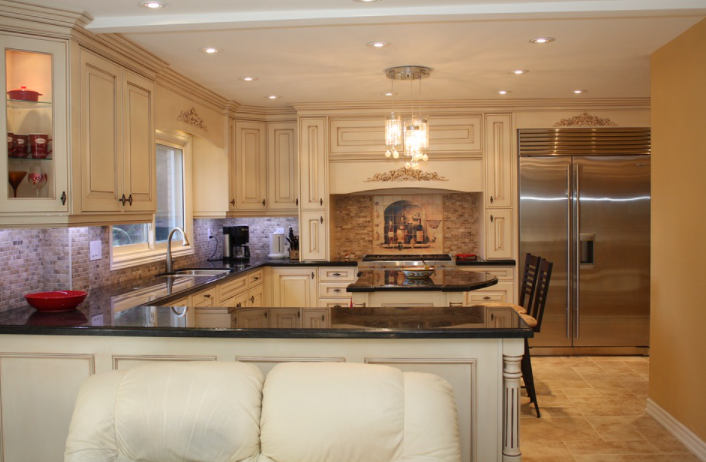
Tips for Home RenovationDon’t start renovating without setting a budget. To make sure you don’t run out of money, you need to know how much everything will cost. You should also keep track of your expenses throughout the process. While it may be okay to leave a renovation unfinished while you live in it, it’s not a good idea if you’re renovating the property to rent or sell it. It can be easy to run out of money in the middle of a bathroom or kitchen remodel.

Make a Proper Plan

Once you’ve determined the scope of the renovation, the budget, and the trades involved, it’s time to plan for it. To avoid repeating work or disadvantaging other trades with your work, the best order should be followed. You should do the demolition first and then the new construction. However, some trades, such as plumbers or electricians, need to be on-site several times to do the siding work before doing the new work and preparing the plumbing connections for the cabinets, etc.

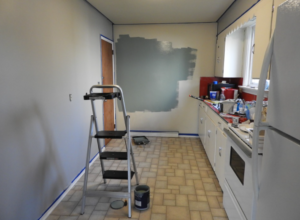
The final work, such as flooring, tiling, and painting, should be left to the end. If there are no areas that need a complete renovation, you can ask the painter to start in another part of the house. The floor must be laid all the way down. This will ensure that the workers and paint do not damage it.

Review Your Project

Tips for Home RenovationThis is probably the most important phase of a remodel but also the most overlooked. To compare your budget to your actual expenses, collect all of your Bunnings receipts: does it match your budget? To calculate your return on investment, you need to find out how much each item costs. You shouldn’t skip this step, no matter how sure you are of the answer. Do it anyway, because it will help you plan your next project, as you will see how much money has been spent on it.
Related Post

curtains

Easy Hacks to Keep Your Custom Window Curtains Looking Fresh and Vibrant for Years

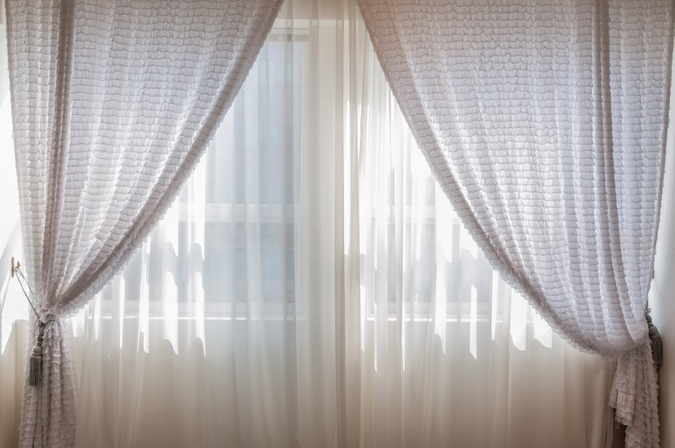
Custom curtains instantly change the vibe of a room, but keeping them looking crisp can feel like a whole mission. Luckily, a few simple tricks can keep your etsy window curtains bright, smooth, and totally photo-ready. These items often bring more character to a space than store-bought options. So protecting their color and fabric becomes extra important. Most curtain problems sneak up slowly. A little sun fading here. A little dust buildup there. Before you know it, your once fabulous panels start looking tired. Good news, though. A solid upkeep plan fixes that fast.

Start With Simple Weekly Care

Dust is the silent villain of curtain wear. It builds up without you noticing and makes colors look dull. A quick weekly shake or a soft brush vacuum attachment keeps the fabric clean. Light maintenance prevents long-term issues. If your curtains are near heaters or vents, dust collects even faster. That means your weekly routine is doing real work.

Protect Against Sun Fade Before It Starts

sun rays

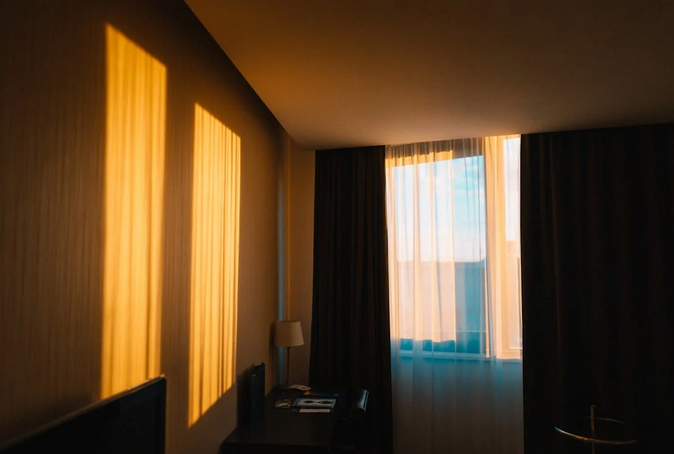
Sunlight is gorgeous, but it can be a curtain’s worst enemy. Direct rays can drain color over time. Rotating your panels helps spread exposure. Think of it like flipping a couch cushion so only one side does not take all the wear. If your windows get intense sunlight, consider adding a sheer layer. It softens the exposure without blocking your view. Sheers act like sunglasses for your curtains, both functional and stylish. You can also angle blinds during peak daylight hours. It reduces the harshness without dimming your room too much. Small adjustments create long-term benefits.

Wash Them With Intention, Not Impulse

Washing curtains is like washing favorite sweaters. You do it wrong once, and things get weird fast. Always check the care tag or notes from the seller. High heat or rough cycles can cause shrinking or fading. Use mild detergents. You want something soft on fibers. Strong detergents strip brightness with surprising speed. This is one of those sneaky mistakes people do without thinking. Avoid overloading your machine. Curtains need space to move. A cramped wash leads to wrinkles that never quite smooth out. Spread out wash days if you have multiple panels.

Smooth Out Wrinkles the Right Way

open curtains

Wrinkles make curtains look older than they are. A handheld steamer is the easiest fixer. It works fast and keeps the fabric looking polished. A quick pass every couple of weeks keeps everything crisp. Hang the curtains first before steaming. Gravity does half the job for you. Start with slow, downward motions. Rushing leaves behind crease lines that are hard to undo. Avoid direct heat from irons unless the fabric truly allows it. Some materials react badly to high temperatures. Steaming is the softer, safer method for most fabrics.

Store Them Smartly During Off-Seasons

If you rotate curtains for seasons or styles, storage matters more than people think. Fold them loosely instead of pressing them flat. Tight folds create stubborn creases. Loose folds protect the pattern and fabric. Use breathable bags instead of plastic ones. Fabric needs airflow. Trapped moisture can cause mildew. No one wants surprise spots when they unpack their curtains again. With a little consistency and care, your custom curtains can stay bright and inviting for many years. A few simple routines protect their color, shape, and texture so your space keeps looking its best without extra effort.

softener

Six Questions to Ask Before You Purchase a Water Softener

Choosing the best water softener system can be a difficult task. You want to make sure that you choose the one that will best suit your needs and budget, but there is so much information about different systems that it can be hard to know where to start. We’re here to help! We’ll answer six questions you should ask before making any purchase decisions in this post.

How Big is Your House?

Depending on the size of the house, the water pipe system varies. The bigger the house, the more water is used, and therefore harder it will be to get rid of all that hard water in your system. You may need to install only one or several water softeners to get the job done.

What is Your Water Pressure Like?

water softenerThe water pressure in your home will determine how much water you use and for what purposes. If you have high pressure, it means that more minerals are present in hard water, which can reduce the efficiency of many appliances such as dishwashers and clothes washers.

Hard water typically has minerals such as calcium and magnesium, which can have an adverse effect on your appliances if not filtered out properly through the system you choose. If this is something that concerns you, make sure to ask about the quality of their purified water before making any decisions.

What Type of Water Softener?

There are several different types of water softeners, each designed to treat specific needs in the home. Suppose you have high iron content in your water, for instance. In that case, a resin tank is best because it can efficiently filter out these particles while also removing any other minerals present. A demand-type system would be best for a home with high usage.

What Is Your Budget?

This may be the most critical question you ask before making a purchase, as it will help determine which system best suits your needs without breaking the bank. However, suppose budget isn’t an issue. In that case, there are some tremendous high-efficiency systems on the market today that can provide many benefits to homeowners who have hard water in their water pipe system.

How Many People Are There Living In Your House?

If you have a big family living in your home with lots of residents using plumbing fixtures constantly throughout their day, then choosing one softener system may not be the best solution. In this case, two or more systems would work better because of high water pressure and usage levels.

The Takeaway

Now that you know the questions to ask before buying a water softener system, it’s time to start shopping! Keep these things in mind as you browse different products and compare prices so you can find the best one for your needs. Happy shopping!

Benefits of a Gazebo for Enhancing Your Garden Aesthetics

A garden is more than just greenery; it is a reflection of personality and style. One of the most effective ways to elevate the visual appeal of your outdoor space is by adding a gazebo. A gazebo acts as a focal point, drawing the eye and creating a sense of elegance and charm. Beyond its structural function, it contributes to an inviting atmosphere where family and friends can gather, relax, and enjoy the beauty around them. For those looking to design an outdoor retreat, it is helpful to explore options that suit both the garden layout and personal taste. From cozy corners to elaborate setups, a gazebo can completely transform a space and bring a fresh aesthetic balance to your garden.

Creates a Focal Point

One of the most immediate aesthetic benefits of a gazebo is its ability to act as a centerpiece in the garden. Unlike typical garden furniture or decorative items, a gazebo stands out, anchoring the surrounding landscape and guiding visitors’ attention. Positioning a gazebo in a visually strategic spot can highlight pathways, flower beds, or water features, giving the garden a structured yet graceful appearance. The presence of this elevated architectural element adds depth and dimension, making the outdoor space feel thoughtfully arranged rather than scattered or cluttered.

Enhances Architectural Appeal

A well-designed gazebo introduces a sense of architectural elegance that complements the natural beauty of the garden. Wooden gazebos, for instance, blend seamlessly with greenery, while metal or wrought iron structures can add a refined, classic touch. Depending on style preferences, the gazebo can mimic traditional designs or embrace modern minimalism, elevating the overall visual language of the garden. Its structure can include ornate railings, decorative posts, or even integrated lighting, all contributing to a sophisticated aesthetic that enhances the overall ambiance.

Provides Color and Texture Contrast

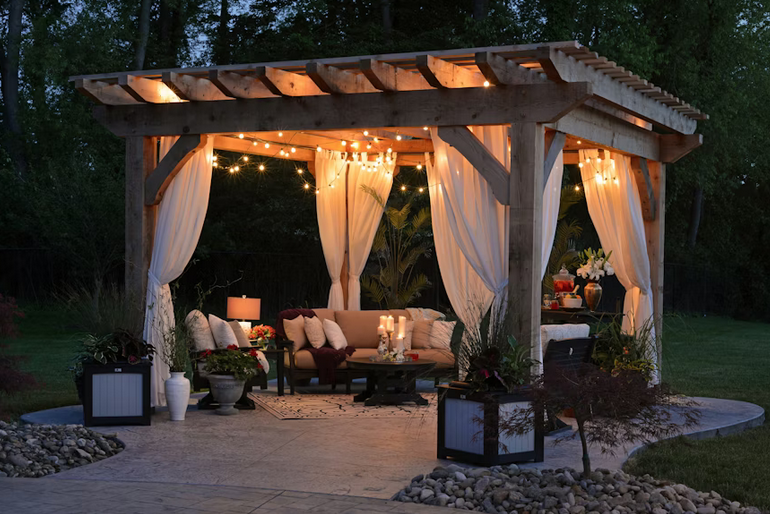
Gardens are often filled with green plants and colorful flowers, but the addition of a gazebo introduces contrasting textures and tones that enrich the visual palette. Wooden shingles, painted frames, or canvas roofs can offer warmth or subtle sophistication. Drapes, hanging planters, and decorative accessories within or around the gazebo create layers of visual interest. This interplay of materials prevents monotony, making the garden more dynamic and engaging. Even small design elements, such as lattice sides or trellis accents, can cast attractive shadows and add visual intricacy that complements the surrounding flora.

Supports Seasonal Decoration

spring decor

A gazebo serves as a flexible canvas for seasonal aesthetics, allowing gardeners to update the look of their outdoor space throughout the year. In spring and summer, vines or climbing flowers can be draped around the structure, creating a romantic or whimsical effect. During autumn, warm-toned lanterns, pumpkin arrangements, and cozy fabrics can transform the gazebo into a harvest-inspired haven. Winter decorations, such as string lights or evergreen garlands, can turn it into a festive centerpiece. This adaptability ensures that the garden remains visually appealing in all seasons, keeping the space lively and ever-changing without losing cohesion.

Encourages Functional Beauty

Beyond purely visual advantages, a gazebo enhances the usability of the garden, merging functionality with style. It provides shaded seating areas, a sheltered spot for outdoor dining, or even a tranquil space for reading and reflection. Its presence encourages more interaction with the garden, allowing homeowners to enjoy the aesthetics they’ve created in comfort. By balancing practicality with design, a gazebo ensures that the garden is not just visually pleasing but also a space where lifestyle and beauty coexist harmoniously.

Incorporating a gazebo into a garden offers multiple aesthetic advantages that extend beyond simple decoration. From creating a strong visual focal point to introducing architectural sophistication, contrasting textures, seasonal versatility, and functional elegance, a gazebo transforms an ordinary outdoor space into a refined retreat. Its presence encourages homeowners to engage more fully with their gardens while maintaining a visually captivating environment. By considering the right design and positioning, a gazebo becomes an essential element that elevates both the charm and utility of any backyard.