Easy Tips to Make Your Home Remodeling Project Stress-Free

Your home is the most important investment you will make in your life. As with any investment, it is essential to maintain your home by making necessary repairs and ensuring a clean design. By doing so, the value of your home will increase considerably. A remodeling project may not be on your list due to the current economic situation. If you have no ideas on how to plan your home remodeling project, you can go to feelguide.com to learn more about it. Even if your goal is to increase the value of your home or create more storage space, even if you are not moving, you can always start a home remodeling project with these tips. In this article, you will find fantastic home remodeling ideas to get your remodeling project started.
Tips for Home Renovation

Determine Your Goals

This way, you can decide if you are renovating to sell your home or rent it out to a tenant who will have to pay a higher rent. If you are renovating for personal use, the budget, equipment, and work amount will vary. If you are remodeling your home for yourself, you will probably spend more money than with the other two options. This is because you plan to live in it for a while and reap the benefits. It would help if you also considered whether you want to sell or rent your home. Is it worth my investment? It’s important to know where to draw the line.

Set a Budget
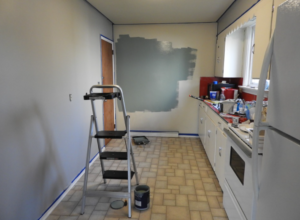
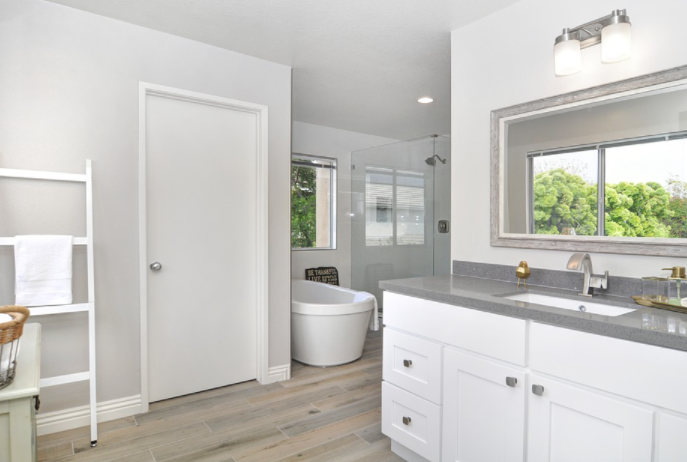
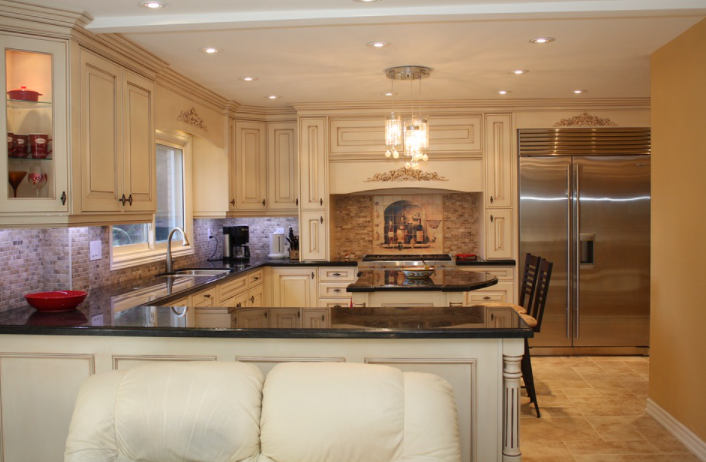
Tips for Home RenovationDon’t start renovating without setting a budget. To make sure you don’t run out of money, you need to know how much everything will cost. You should also keep track of your expenses throughout the process. While it may be okay to leave a renovation unfinished while you live in it, it’s not a good idea if you’re renovating the property to rent or sell it. It can be easy to run out of money in the middle of a bathroom or kitchen remodel.

Make a Proper Plan

Once you’ve determined the scope of the renovation, the budget, and the trades involved, it’s time to plan for it. To avoid repeating work or disadvantaging other trades with your work, the best order should be followed. You should do the demolition first and then the new construction. However, some trades, such as plumbers or electricians, need to be on-site several times to do the siding work before doing the new work and preparing the plumbing connections for the cabinets, etc.

The final work, such as flooring, tiling, and painting, should be left to the end. If there are no areas that need a complete renovation, you can ask the painter to start in another part of the house. The floor must be laid all the way down. This will ensure that the workers and paint do not damage it.

Review Your Project
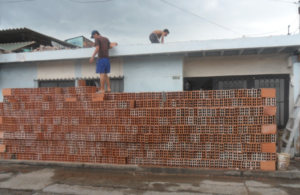
Tips for Home RenovationThis is probably the most important phase of a remodel but also the most overlooked. To compare your budget to your actual expenses, collect all of your Bunnings receipts: does it match your budget? To calculate your return on investment, you need to find out how much each item costs. You shouldn’t skip this step, no matter how sure you are of the answer. Do it anyway, because it will help you plan your next project, as you will see how much money has been spent on it.

Related Post

living room

Saving on Maintenance: How Prefabricated Homes Can Be Cost-Efficient

There’s an increasing demand for prefabricated homes or “prefabs” because of their potential to save homeowners money on maintenance costs. Prefab homes are constructed in factories where materials are closely monitored, and every aspect is quality-controlled. This results in better insulation, fewer air leaks, and tighter joints than traditional stick-built homes. Traditional houses can demand repairs, upgrades, and regular upkeep, which can strain the household budget. However, prefabricated homes, often referred to as prefab or modular homes, offer a compelling solution to this issue. Immoportal will explore how prefabricated homes can be highly cost-efficient when it comes to maintenance, helping homeowners save both time and money.

Quality Construction

kitchenOne of the primary reasons prefab homes are cost-efficient in terms of maintenance is the quality of construction. These homes are built in controlled factory environments with stringent quality control measures. Precision tools and machinery ensure that every component is constructed to exact specifications, reducing the likelihood of structural issues that can lead to costly repairs. Additionally, modular homes are built to withstand transportation to the building site, making them structurally stronger and more durable than traditional stick-built homes.

Durability and Longevity

Prefab homes are designed with durability in mind. High-quality materials and expert assembly contribute to the longevity of these homes. They are engineered to withstand transportation and installation, making them resilient and less prone to structural problems. As a result, homeowners can expect fewer maintenance issues related to the building’s core structure. Additionally, many prefabricated home manufacturers offer extended warranties on their products, providing homeowners with peace of mind and potentially saving them money in the long run.

Warranty Coverage

Prefab home manufacturers typically provide warranty coverage for their products. This warranty can extend for several years, covering various aspects of the home, including structural components and appliances. A warranty can significantly reduce maintenance costs, as homeowners can have issues addressed by the manufacturer or their authorized service providers.

Low-Maintenance Materials

Prefab homes often feature low-maintenance materials and finishes. For example, many come with metal roofing, which is known for its durability and resistance to weather damage. Low-maintenance materials reduce the need for frequent painting, sealing, or repairs, saving homeowners both time and money.

Customization Considerations

While prefab homes offer a wide range of customization options, homeowners can make choices that contribute to low maintenance. For instance, opting for materials and finishes that are easy to clean and require minimal upkeep can help reduce maintenance costs. Additionally, choosing energy-efficient options can also save money on utility bills, further contributing to cost efficiency.

In Conclusion

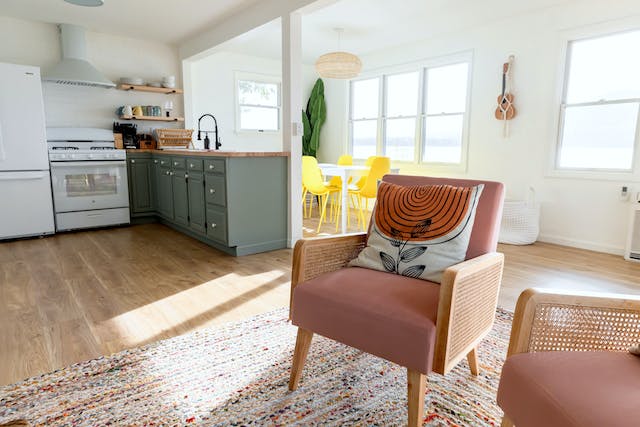
living roomPrefabricated homes are an excellent choice for individuals and families looking to save on maintenance costs in the long run. Their quality construction, durability, energy efficiency, and warranty coverage contribute to a cost-efficient homeownership experience. By making thoughtful choices during the customization process and adhering to regular maintenance practices, homeowners can enjoy the many benefits of prefab living while keeping maintenance expenses to a minimum.

wall garden

Best Plants for Vertical Gardens: A Guide to Choosing the Right Greenery

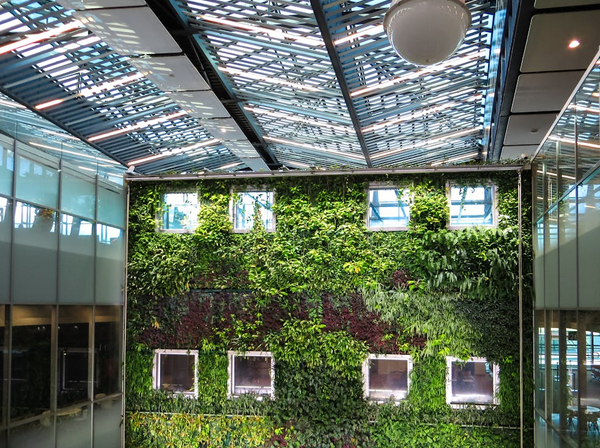
Vertical gardens have become increasingly popular, especially in urban environments where space is limited. These innovative gardens bring a touch of nature to indoor and outdoor spaces and offer numerous benefits, such as improved air quality, reduced stress levels, and aesthetic appeal. Choosing the right plants is crucial to the success of a vertical garden. The plants you select need to thrive in the vertical orientation and contribute to the overall health and beauty of the garden.

This article will guide you through the top five plants ideal for vertical gardens, making your space a lush, green oasis. For a deeper dive into this topic, be sure to explore the insights shared in the aachener zeitung.

Ferns

Ferns are a classic choice for vertical gardens, thanks to their lush foliage and ability to thrive in shaded environments. Their cascading leaves create a beautiful, flowing effect that adds texture and depth to any garden. Ferns are incredibly versatile and can tolerate various light conditions, from low light indoors to partial shade outdoors. Some popular varieties for vertical gardens include Boston ferns, Maidenhair ferns, and Bird’s Nest ferns. These plants prefer moist, well-drained soil and high humidity, perfect for bathrooms or shaded outdoor areas.

Spider Plants (Chlorophytum comosum)

Spider plants are another excellent option for vertical gardens due to their low maintenance and hardiness. Known for their arching, grass-like leaves and small white flowers, spider plants can adapt to various light conditions, although they prefer bright, indirect light. They are also effective air purifiers, removing toxins like formaldehyde and xylene. Spider plants tolerate irregular watering schedules, making them an ideal choice for beginners or those with busy lifestyles. They thrive in well-drained soil and quickly fill space with their long, trailing leaves.

Pothos (Epipremnum aureum)

pothos

Pothos, also known as Devil’s Ivy, is a popular plant for vertical gardens due to its fast-growing, trailing vines and heart-shaped leaves. This highly adaptable plant can thrive in low light and low humidity conditions, making it suitable for indoor environments. Pothos is also known for its air-purifying qualities, which help improve indoor air quality. With its ability to proliferate and spread, pothos can easily cover a vertical garden structure, creating a lush, green wall. It requires moderate watering and can tolerate occasional neglect, making it an excellent choice for novice gardeners.

Succulents

Succulents are ideal for vertical gardens because of their low water requirements and unique, attractive appearance. Varieties like Sedum, Echeveria, and Crassula are particularly well-suited for vertical gardens due to their compact growth and drought tolerance. These plants thrive in well-drained soil and require minimal watering, making them perfect for sunny, low-maintenance vertical gardens. Their varied shapes, colors, and textures can add visual interest to your vertical garden, transforming it into a living work of art.

Herbs

Growing herbs in a vertical garden is both practical and visually appealing. Herbs such as basil, thyme, mint, and oregano are excellent choices due to their compact growth habits and culinary uses. These plants require good light and well-drained soil to thrive, making them suitable for kitchen windowsills or sunny outdoor walls. Herbs add greenery to your vertical garden and provide fresh, flavorful ingredients for your cooking, making your garden functional and beautiful.

Creating a thriving vertical garden begins with selecting the right plants. Ferns, spider plants, pothos, succulents, and herbs are among the best choices for vertical gardening due to their adaptability, low maintenance, and visual appeal. By carefully choosing plants that suit your space and light conditions, you can create a stunning vertical garden that enhances your environment, purifies the air, and brings a touch of nature to your home or office. Whether you’re a seasoned gardener or a beginner, these plants offer a great starting point for building your vertical garden and enjoying its many benefits.

house roof

The Impact of Climate Change on Roofing: Adapting to Extreme Weather

The world is experiencing the effects of climate change, and it’s affecting nearly every aspect of our lives, including the roofs over our heads. As extreme weather events become more frequent and intense, our roofing systems face new challenges. Style Motivation reports that extreme weather, such as heavy rain, strong winds, and hailstorms, are the top three leading causes of roof damage. In this article, we’ll explore the impact of climate change on roofing and the innovative solutions available to adapt to these changing conditions.

Changing Weather Patterns and Roofing Materials

moss

Climate change is causing unpredictable weather patterns around the world. This means that roofing materials, which were once designed to withstand certain types of weather, may no longer be able to withstand extreme conditions like prolonged heat waves or heavy snowfall. The durability and longevity of traditional roofing materials such as asphalt shingles, clay tiles, and metal sheets are being put to the test as they face more frequent and intense weather events.

Advancements in Roofing Technology

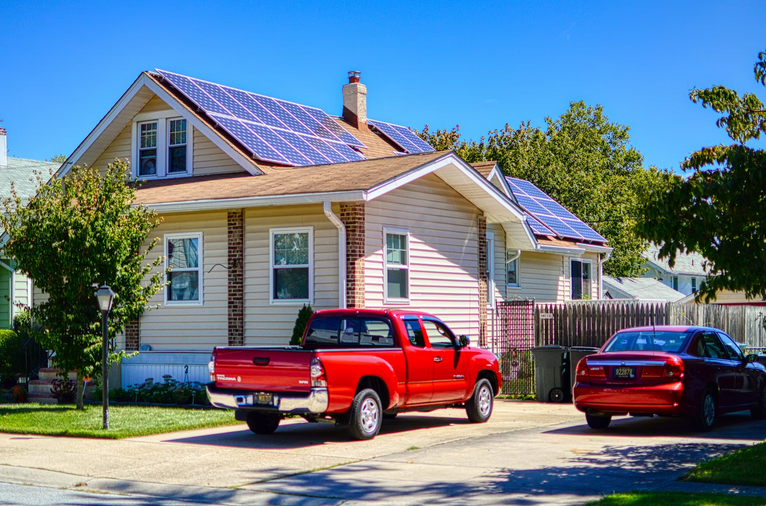
To combat the effects of climate change, roofing technology is evolving to include more durable and sustainable materials. For example, solar panels are becoming increasingly popular as they provide a renewable source of energy while also acting as a protective layer for the roof. Green roofs, which are covered with vegetation, are also gaining popularity as they provide insulation against extreme temperatures and reduce the urban heat island effect.

Innovative Roofing Designs

Roofing designs are also adapting to the changing climate. Sloped roofs with overhangs are becoming more popular in areas prone to heavy rain or snowfall as they help prevent water from pooling and causing leaks. Additionally, curved roofing is becoming more prevalent in areas with high winds as they can withstand the force of strong gusts better than traditional flat roofs. These innovative designs not only provide added protection against extreme weather but also add an aesthetic appeal to buildings.

The Importance of Regular Roof Maintenance

roofer

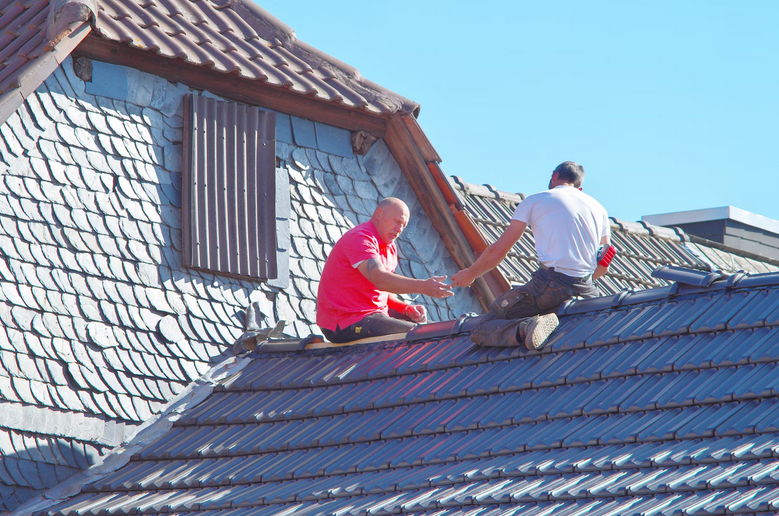
With climate change bringing about unpredictable weather patterns, it’s crucial for building owners to prioritize regular roof maintenance. This includes timely inspections, repairs, and replacements of damaged materials. Regular maintenance can help identify weak spots in the roofing system and prevent further damage from extreme weather events.

Adapting to Extreme Weather

In addition to technological advancements and innovative designs, it’s also important for building owners to be prepared for extreme weather events. This may include having emergency plans in place in case of severe storms or investing in additional protective measures such as storm shutters or impact-resistant roofing materials.

In today’s rapidly changing climate, it’s essential for the roofing industry to adapt and innovate. By incorporating new technologies, designs, and maintenance practices, we can help mitigate the impact of climate change on our roofs. Building owners should also be proactive in preparing for extreme weather events to ensure the safety and longevity of their roofing systems. We can work towards a more resilient future for our roofs and the environment.