The Top Benefits of Babyproofing Your Home

If you have children, it is essential to babyproof your home. There are many benefits to doing this, including keeping your child safe and preventing accidents. However, if you want some fun with it, you can learn some creative childproofing ideas .This blog post will discuss the top benefits of babyproofing your home. Keep reading for more information!

To Keep Your Baby Safe From Potential Dangers

One of the top benefits of babyproofing your home is keeping your child safe from potential dangers. Many things in a home can be dangerous for children, such as sharp edges, poisonous plants, and electrical cords. By babyproofing your home, you can help to protect your child from these hazards.

To Prevent Accidents

Another top benefit of babyproofing your home is that it helps to prevent accidents. Accidents can happen very quickly in a house with children, often resulting in serious injuries. By babyproofing your home, you can help to reduce the risk of accidents occurring. This is especially important if you have a young child who is still learning to explore and navigate their surroundings. Moreover, babyproofing your home keeps your household items safe. Many things in a home can be dangerous for children, such as sharp edges, poisonous plants, and electrical cords.

a baby in a washing machine

To Save on Costs

Another benefit of babyproofing your home is that it is cost-effective and cheap. There are many things you can do yourself to babyproof your home without spending a lot of money. For example, you can install safety gates at the top and bottom of stairs, put covers on electrical outlets, and keep poisonous plants out of reach. In addition, you can also buy items like cabinet locks and doorknob covers to further babyproof your home.

To Have Peace of Mind

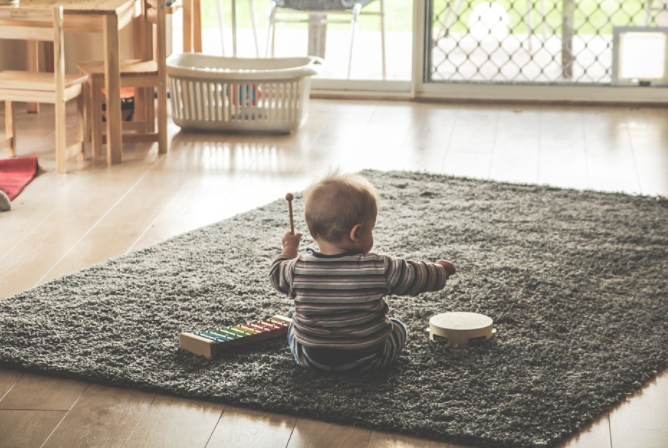
One of the best benefits of babyproofing your home is that you’ll have peace of mind when your baby starts crawling and walking. When your child begins to explore their surroundings on their own, you’ll know that they are safe, thanks to all of the precautions you took while babyproofing your home. This can be very reassuring for parents who worry about their child’s safety. When you babyproof your home, you can keep an eye on your child at all times. For instance, you can set up a camera in the living room or playroom so that you monitor them from anywhere in the house.
Leave a Reply

Your email address will not be published. Required fields are marked *

Related Post

roof

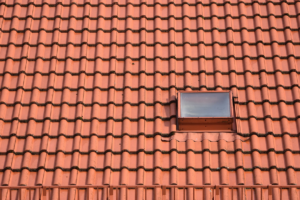
From Aesthetics to Durability: How Roof Shingles Impact Your Home’s Value

As a homeowner, it’s important to understand the impact that various aspects of your home have on its overall value. While some features are purely aesthetic, others are crucial to the structural integrity and longevity of your property. One such feature that often goes overlooked is the roof shingles. Not only do they play a vital role in protecting your home from the elements, but they also have a significant impact on its appearance and curb appeal. From the materials used to the installation process, there are various factors to consider when selecting the best roofing shingles for your home.

Quality Shingles Increase Curb Appeal

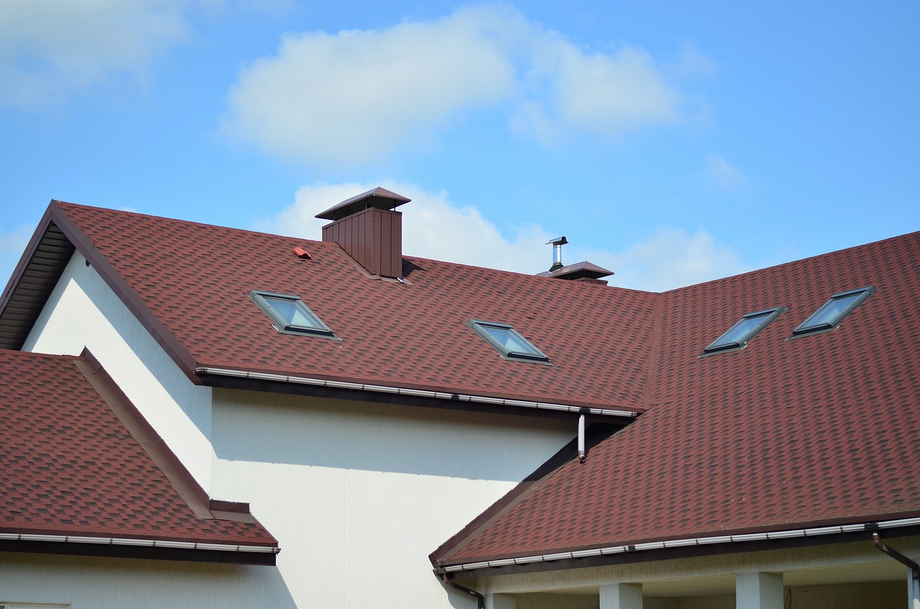
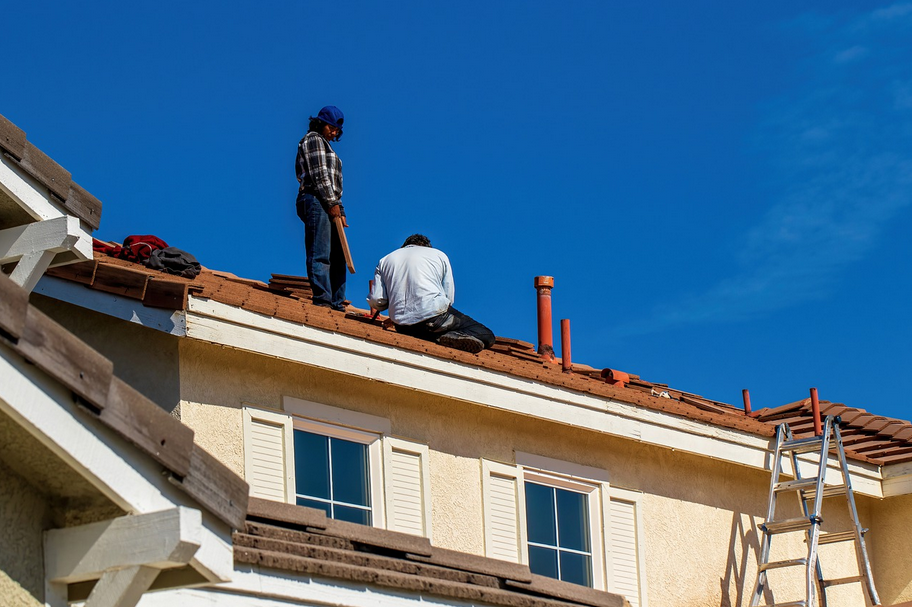
shinglesFrom aesthetics to durability, roof shingles have a significant impact on your home’s value. First impressions are vital, and quality shingles can increase your home’s curb appeal. The roof is one of the most visible elements of your home’s exterior and can greatly influence potential buyers’ perception of the property. Investing in high-quality shingles can make your home stand out from the competition, and a well-maintained roof can even add to your home’s resale value. Additionally, shingles come in various colors and styles, allowing homeowners to choose the perfect option to complement their home’s architecture and enhance its overall look.
Energy-Efficient Shingles Improve Insulation

Energy-efficient shingles are an innovative roofing solution that not only enhances the appearance of your home but also offers improved insulation benefits. These shingles are designed to keep the interior of your home cooler in the summer and warmer in the winter, reducing energy consumption and saving you money on utility bills. The shingles are made from a range of materials, such as asphalt, metal, and composite, which are treated with special coatings to improve their energy efficiency.

Durable Shingles Reduce Maintenance Costs

When homeowners consider replacing their roof shingles, aesthetics often come to mind first. However, durability is an equally important factor to consider. Durable shingles can significantly reduce maintenance costs and extend the lifespan of your roof. With a longer lifespan, you can save money on repair and replacement costs in the long run. Investing in high-quality shingles made from durable materials, such as asphalt or metal, can provide extra protection against harsh weather conditions and minimize the need for frequent repairs. In addition to lowering maintenance costs, durable shingles can also increase the value of your home by providing better protection and improving its overall appearance.

maintenance

Premium Shingles Offer Superior Protection

When it comes to protecting your home, the type of roofing shingles you choose can make a significant difference in the longevity and durability of your roof. Premium shingles, in particular, offer superior protection compared to their standard counterparts. These shingles are made with higher-quality materials, such as fiberglass or asphalt, and are designed to withstand harsh weather conditions, such as heavy rainfall, strong winds, and hail. In addition, premium shingles often come with extended warranties that provide homeowners with added peace of mind.

Upgraded Shingles Increase Resale Value

Installing upgraded shingles can significantly increase the resale value of your home. High-quality shingles not only provide better protection from the elements but also enhance the overall aesthetic appeal of your home. Upgraded shingles are available in various materials, such as asphalt, metal, and slate, and offer superior durability and longevity compared to standard shingles. In addition to providing an attractive appearance, these shingles can also enhance your home’s energy efficiency, reducing heating and cooling costs and further increasing the value of your property.
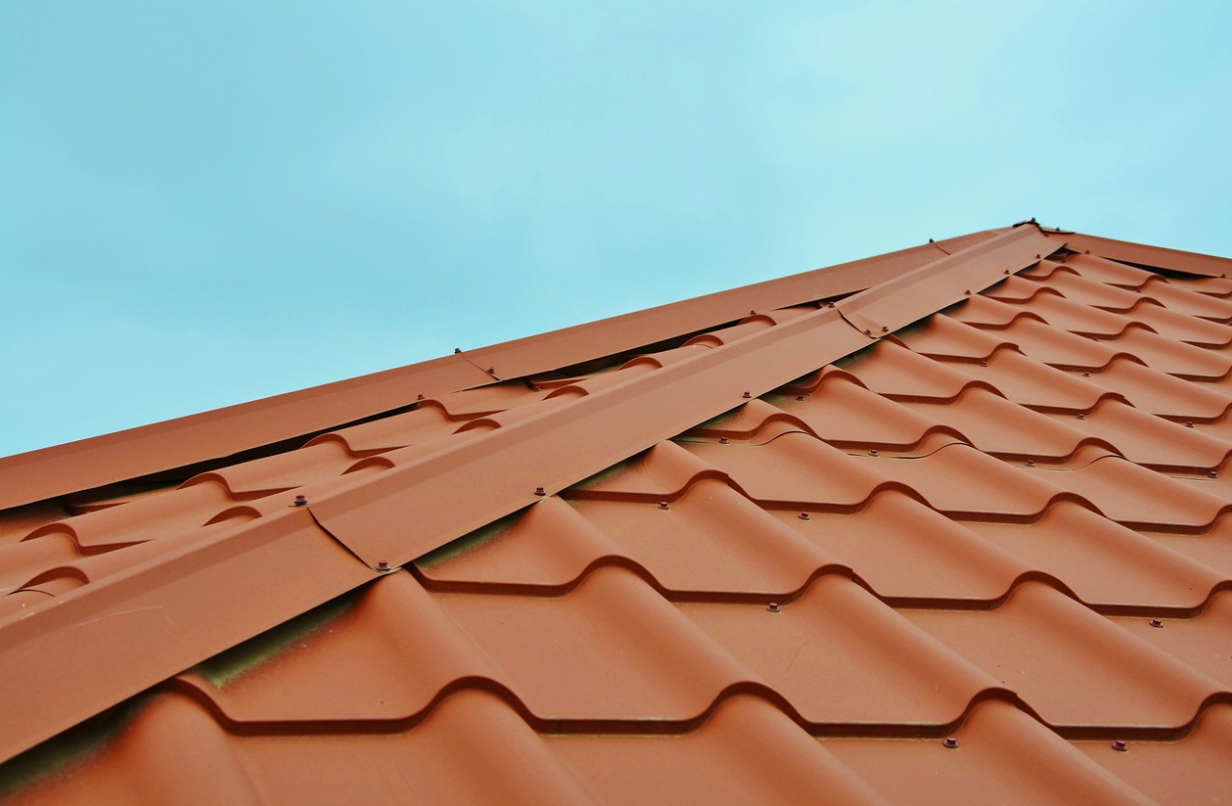
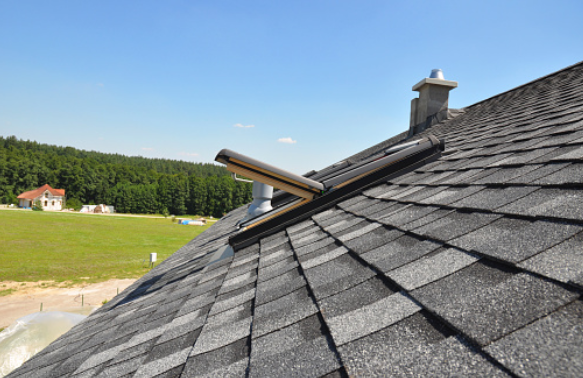
Roof shingles significantly affect your home’s value, aesthetics, and durability. When choosing the right shingles, it’s crucial to consider factors such as material, color, style, and quality. Investing in high-quality shingles may be more expensive upfront, but protecting your home and increasing its value can pay off in the long run. It’s always recommended to consult with a roofing professional to understand which shingles will work best for your home and budget.

home roof

Common Home Roofing Styles in Today’s Society

There are various roof types in today’s society. It makes people a bit overwhelmed when choosing the perfect one for their homes. Some people tend to install solar panel roofing, but others might not. It depends on their purposes and needs. You could visit The Union Journal to discover some answers to the issue. While different roofing materials have no problem keeping out the rain, the cost and long-term durability of each can vary drastically. Below are some of the most popular types of roofing materials:

asphalt shingles

Asphalt Shingles

Asphalt shingles are also known as composite shingles. It is one of the most common types used to revitalize roofs. They are sometimes a universal and practical form of tile for many homes. They are easy to install and easy to get when some people need long-term replacement.

Glitter Roofing

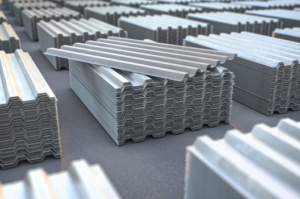
Glitter roofing is a practical and affordable option for outbuildings or similar structures. It can also be used for horizontal pitched roofs on residential buildings. However, this is one of the fastest methods of securing the cover for the long term, but it is not the most attractive to try. Therefore, it is convenient to install this style if you might be too busy with other things.

Metal Roofing

metal roofingMetal roofing is no longer limited to warehouses. Even on large buildings, this form of roofing can look incredibly stylish. It is a fire-resistant material and is not attractive to some pests that attack wood, such as carpenter ants or termites. It is not the lightest decking material to install and can be extremely expensive. But it is considered an environmentally friendly roofing option.
Green Roofing

A green roof is the best option for people who are looking for a unique form of roofing. This roof’s style provides various layers of a waterproof membrane, including all the green material added later. Besides, this roof is valued for its ability to build plants, absorb rainwater, provide thermal insulation and place oxygen from the air.

Solar Roofing

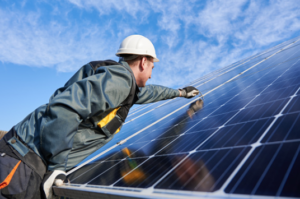
solar roofingIts debut was the result of improvements in the world of thin-film photovoltaics. Solar roof tiles are flexible and lightweight, making them easy to install. When it comes to integrating them with regular asphalt shingles, the integration is almost eloquent. You can barely tell the difference between one shingle and another, especially on dark-colored roofs.

Solar shingles are not only visually appealing compared to older, bulky stainless steel technologies. It is why they are also cost-effective. They can save you money on energy prices by promoting the energy efficiency of your private home. Therefore, it would be beneficial to install this type if you plan to save some energy.

Renovate

Budgeting for Your New Home: How to Estimate Costs and Avoid Common Pitfalls

Building your dream home is an exciting venture, but it comes with the responsibility of budgeting to ensure your project stays on track financially. Proper budgeting is critical to creating your ideal home without experiencing unexpected financial stress. In this article, we’ll guide you through the process of estimating costs and share tips to help you avoid common budgeting pitfalls during your new home construction journey. For more information, visit https://www.gelbeseiten.de/ratgeber/hg/welcher-hausbau-anbieter-ist-der-richtige.

Assess Your Financial Situation

Before diving into the specifics of budgeting, assessing your current financial situation is essential. Determine how much you can comfortably afford, considering your savings, income, and any financing options, such as a mortgage or construction loan. It’s also important to consider any potential changes in your income or expenses during the construction process, as this can affect your budget.

couple

Create a Detailed Budget

Once you clearly understand your financial resources, create a comprehensive budget for your new home construction. Consider the following components:

  • Land Costs: If you still need to purchase the land, factor in the cost of the lot, including property taxes and any necessary site preparations.
  • Construction Costs: Estimate the expenses related to the actual building, including materials, labor, permits, and subcontractor fees.
  • Design and Architectural Fees: Account for design and architectural services if you work with professionals.
  • Utilities and Infrastructure: Include costs for connecting utilities such as water, electricity, gas, and sewage systems.
  • Interior Finishes: Budget for interior finishes, fixtures, appliances, flooring, and cabinetry.
  • Landscaping and Outdoor Features: Remember expenses related to landscaping, outdoor spaces, and any additional amenities you want to include.
  • Contingency Fund: Set aside a contingency fund for unexpected expenses, typically around 10-15% of your total budget.

Get Multiple Quotes

To ensure accurate cost estimates, seek quotes from multiple builders, contractors, and suppliers. This allows you to compare prices and select the most cost-effective options while maintaining quality. Don’t forget to factor in any potential additional costs, such as overtime fees or change orders.

Consider the Location

The location of your building site can significantly impact construction costs. Research local labor and material prices, as well as permit fees and regulations, to account for location-specific factors in your budget.

Prioritize Your Needs and Wants

Identify your must-have features and prioritize them in your budget. Make a clear distinction between essential elements and items that would be nice to have but aren’t crucial. This helps you allocate funds wisely.

Account for Future Expenses

Remember that your expenses don’t end once your home is built. Factor in future costs such as property taxes, homeowners’ insurance, maintenance, and potential renovations or upgrades. Planning for these expenses can prevent future financial strain.

Regularly Review and Adjust

As your home construction progresses, regularly review your budget to ensure you’re staying on track. Be prepared to make adjustments if necessary, especially if unexpected costs arise. Communicate openly with your builder and other professionals involved to avoid any surprises.

Seek Professional Guidance

Consider consulting with a financial advisor or a construction cost estimator to ensure your budget is well-informed and realistic. They can offer valuable insights and help you navigate any complex financial aspects of your new home construction.

In Conclusion

Budgeting for your new home is a crucial step in achieving your dream while maintaining financial stability. By creating a detailed budget, getting multiple quotes, prioritizing needs and wants, and regularly reviewing expenses, you can navigate the construction process confidently. Avoiding common budgeting pitfalls ensures that your new home project remains a fulfilling and financially sound endeavor, allowing you to enjoy your dream home for years to come.