
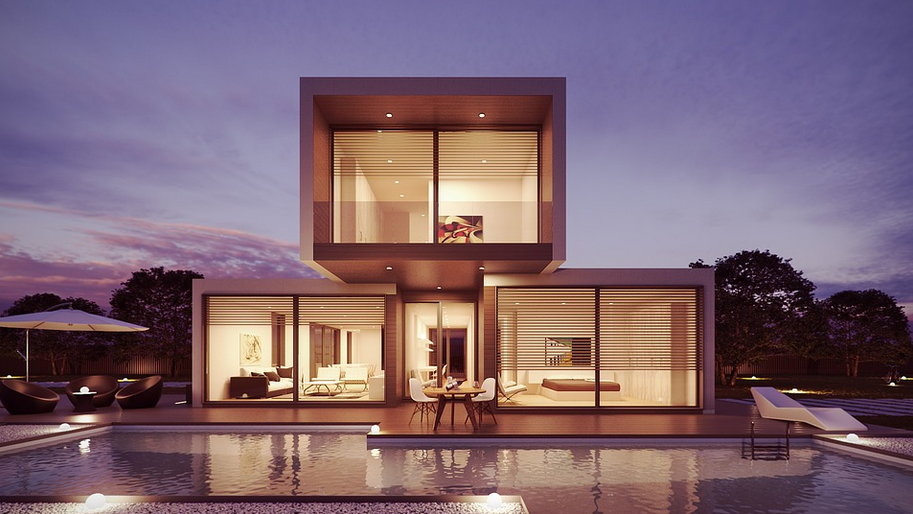
Although more than 1 million houses are being built every year, only 40 percent of the homes in America are older than 50. This is why remodeling spending is expected to increase in 2020. If you’re planning to carry the renovation on your own, considering you have the basics, visit https://hogfurniture.com.ng/blogs/news/10-builder-s-tools-you-might-need-for-your-renovation to help you start with. But which renovations are most popular? What about the cost? According to the National Association of Home Builders (NAHB), the following are the most popular home improvement projects to date.
Bathroom Remodeling
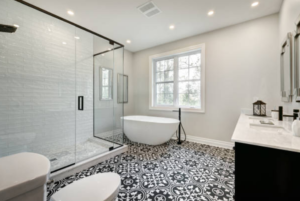 Bathrooms can quickly become outdated. It needs to update its style to make it better adapted to your needs. Bathrooms compete for the top spot in the NAHB survey. And according to the latest survey, bathrooms were the most popular home remodeling project. According to Remodeling magazine’s 2019 Annual Report (Cost vs. Value), a high-end bathroom remodels costs up to $64,000 on average, while a mid-range remodel costs about $20,000.
Kitchen Remodeling
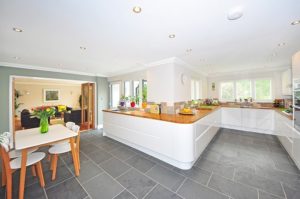 Like the bathroom, the kitchen is an essential part of the house. It is the home’s heart and one of the most popular – and expensive – renovations a homeowner can undertake. According to the NAHB survey, the kitchen comes next after the bathroom on the top of significant remodeling projects. Kitchen remodeling can be costly because of the many purchases, such as cabinets, countertops, appliances, and construction and installation costs. For a more extensive remodel, the price can be as high as $131,000 or $22,000 for a simple facelift.
Whole-House Remodeling
Sometimes it’s a good idea to do everything at once when it comes to renovating a home. This is especially true if you’ve just moved in. Based on the NAHB survey, the third most popular renovation project is a whole-house renovation. The average cost is $46,000, but it ranges from $18,000 to $75,000. Therefore, it should begin with real-world realizations about the scale of the project and dedicated planning.
Room Additions
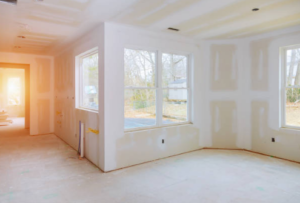 Room additions are just as usual since families grow. Room additions are a good option for people with growing families who feel their home is too cramped. The cost of this project depends on the size of the addition and the materials used. According to Remodeling magazine’s Cost vs. Value report, a mid-sized master suite addition costs an average of $130,000, and a luxury master suite addition costs about $271,000. However, it is only applicable for homes with additional spaces.
Property Damage Repair
Your house can inflict several damages over time, depending on the instances. It’s not easy to spend money on repairs after a devastating and unexpected event like a fire or flood. However, work must be done to make your home safe and livable. According to HomeAdvisor, restoring a home after water damage can cost between $1,100 and $4,500. Repairs after a fire can range from $800 to $93,000, depending on the extent of the damage, and costs typically range from $3,000 to $25,000.
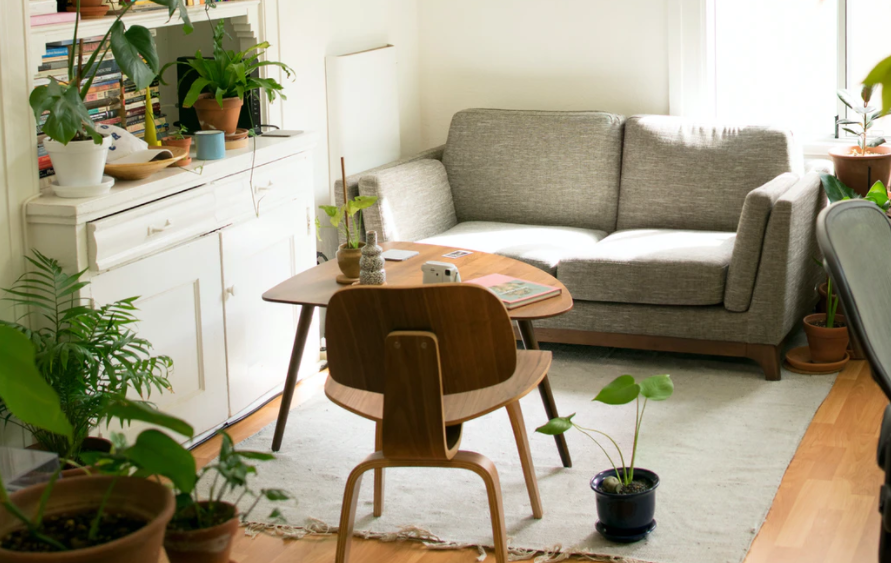
 Decoration and art can add personality to a room. In this case, you can decorate your home in many ways and many places. For example, you can put decorations on the ceiling, walls, and windows. Besides, it is best to use abstract pictures and designs art and decorations that are compatible with many pieces of furniture. Don’t worry much to find them since you can get ready decorated modern furniture on the Internet.
 Windows allow light to enter the room. Windows are also prominent and visible elements of a building that people cannot overlook. Windows can be eye-catching with
 When it comes to designing a room, flooring is often less prioritized. You may think that it is just where a place that you have walked over it every day. However, the floor can also be an area that can add beauty to the interior design of your home. You can use a variety of floor decorations, including wood tiles and patterns.

 One of the primary reasons prefab homes are cost-efficient in terms of maintenance is the quality of construction. These homes are built in controlled factory environments with stringent quality control measures. Precision tools and machinery ensure that every component is constructed to exact specifications, reducing the likelihood of structural issues that can lead to costly repairs. Additionally, modular homes are built to withstand transportation to the building site, making them structurally stronger and more durable than traditional stick-built homes.
 Prefabricated homes are an excellent choice for individuals and families looking to save on maintenance costs in the long run. Their quality construction, durability, energy efficiency, and warranty coverage contribute to a cost-efficient homeownership experience. By making thoughtful choices during the customization process and adhering to regular maintenance practices, homeowners can enjoy the many benefits of prefab living while keeping maintenance expenses to a minimum.